
Updating the kitchen can run from a $40 weekend of degreasing old oak cabinets to a phased sequence of paint, tile, and countertop overlays that still costs less than a tenth of a full remodel. What decides your path is not budget alone but whether the layout you already have is structurally sound and the plumbing stays put. The $100,000 remodel threshold is real, which is why most people keep the cabinets, keep the triangle, and spend on the surfaces that actually show.
1. Paint the Walls, Cabinets, or Floor
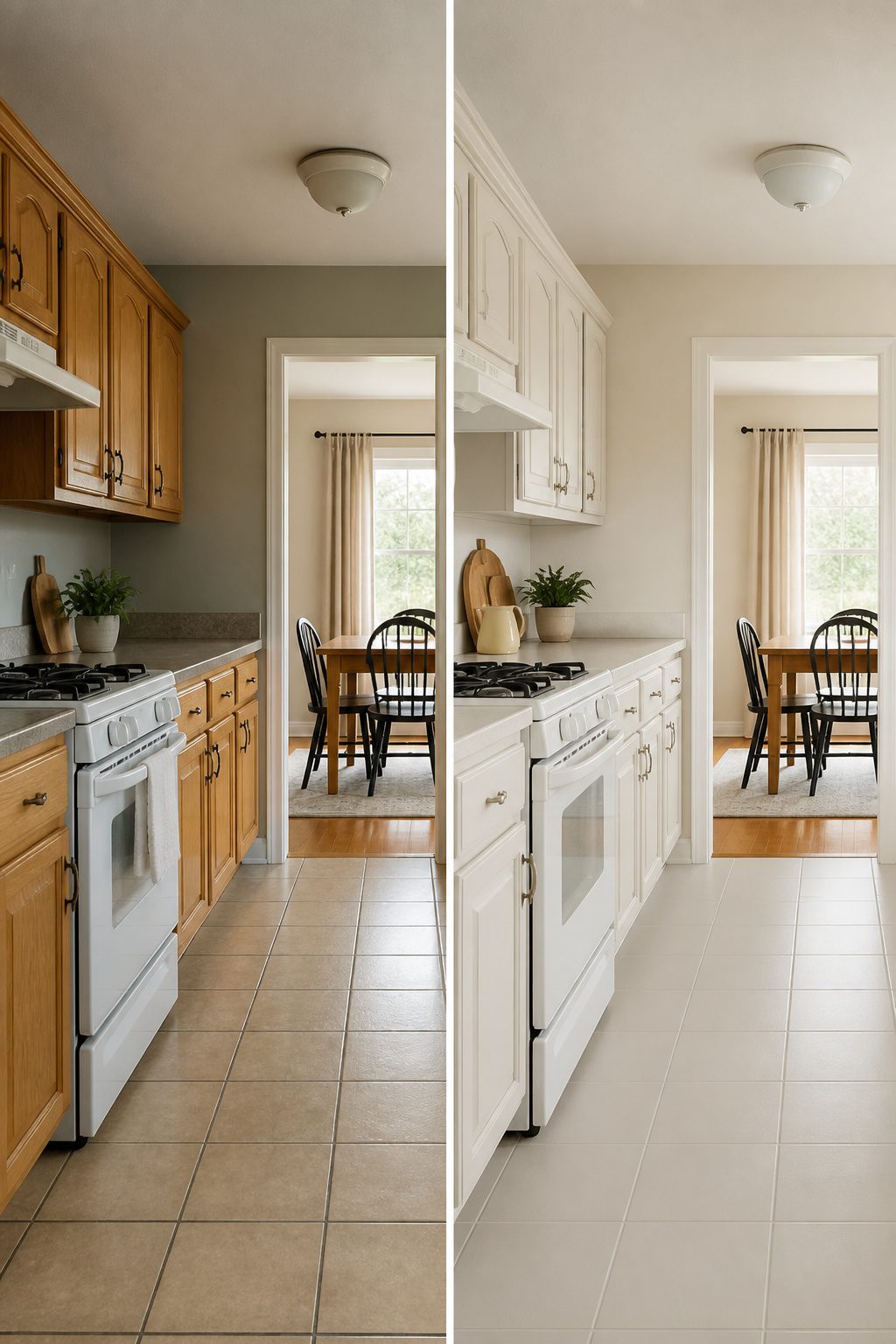
A fresh coat of paint is the cheapest way to start updating the kitchen, and the difference can feel almost unfair for the money. Walls, cabinets, even the floor can take paint if the surface is right and the prep is honest.
Gloss level matters more than people expect. Walls want eggshell or satin for the scrubbing they will see behind the stove and beside the sink. Cabinets need a true semi-glass enamel or the finish will chip where fingers pull every morning. I have watched that happen on a friend’s doors after she used wall paint to save a trip to the store; six months in, the wear showed exactly where the toddlers reached.
The color that keeps coming up for cabinets is Benjamin Moore White Dove in Muralo Semi-Gloss. It reads warm without going yellow, and the semi-gloss gives it the wipeable skin cabinets need.
Prep is where the weekend goes wrong. Grease on cabinet fronts, even the film you cannot see, will let the new coat lift and peel within a year. Deglossing or a bonding primer is not optional on previously finished wood. Floors need porch and floor enamel, not wall paint, or the traffic will destroy it. Wallpaper on one wall is another cheap route if the surface is smooth enough and the pattern is something you can live with past the first month of novelty.
2. Swap Hardware and Fixtures
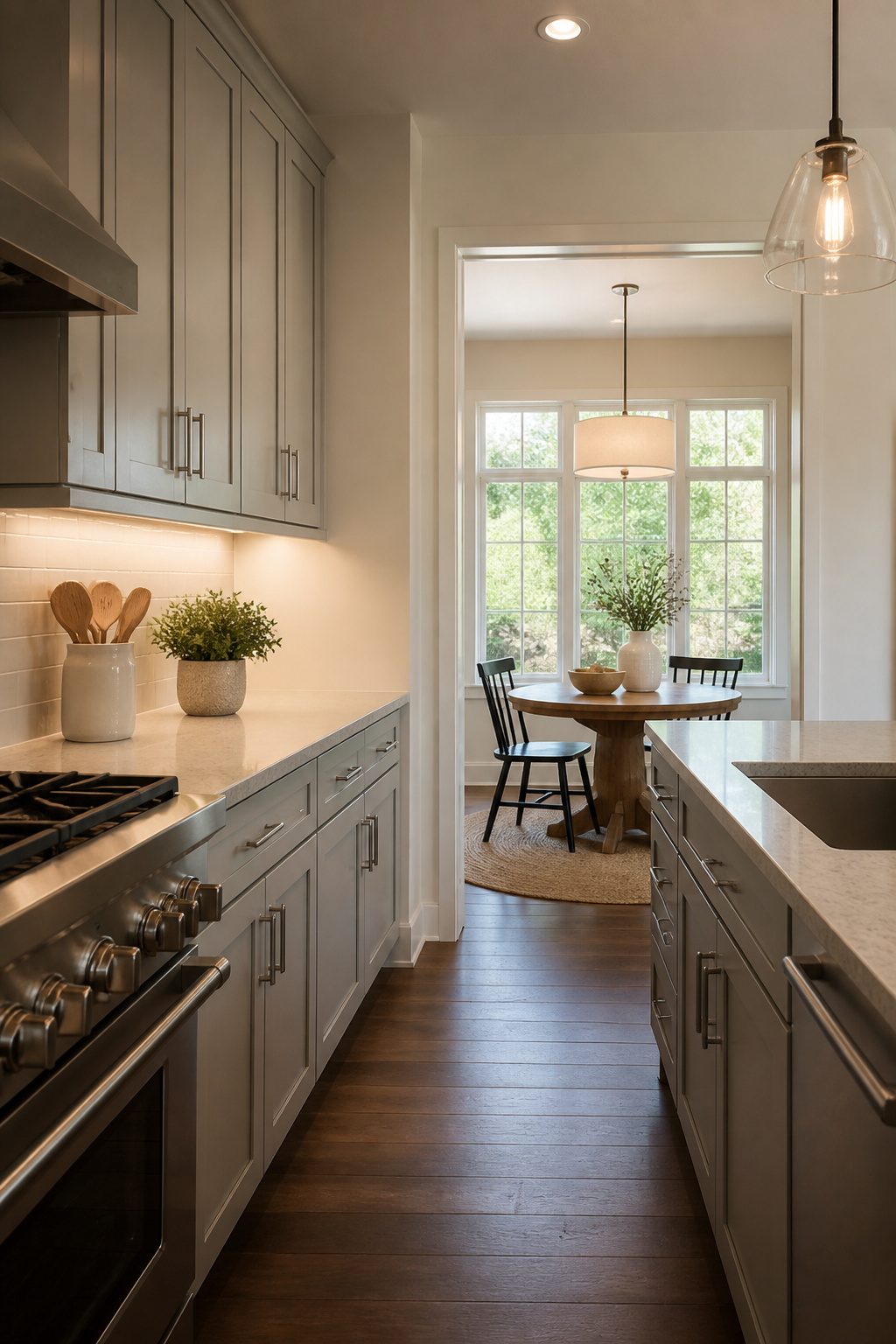
New cabinet hardware can run under two dollars a piece and still look current, which is why it sits at the top of my list for any kitchen refresh that needs to happen between Friday night and Monday morning. The screwdriver and drill you already own are the only tools required, and the whole job wraps up in a few hours if you measure before you buy. Center-to-center spacing on existing holes is the number that matters most; pulls come in set lengths, and filling old holes to re-drill is more work than most renters want. Finishes that hold up best are the ones with a physical vapor deposition coating rather than plated layers that wear through at the corners.
Light fixtures follow the same logic. Swapping out a dated flush mount or fluorescent box for something with cleaner lines changes how the whole room reads, and the same screwdriver and drill handle the mounting. Under-cabinet lighting is worth adding while you are already on the ladder, and smart bulbs drop in without any wiring at all.
The faucet is the step up in difficulty, but only slightly. A basin wrench, which rents for nothing at most hardware stores, makes the tight space under the sink manageable. New sinks and faucets read as a full upgrade even when the cabinets stay exactly as they are.
3. Install a New Backsplash
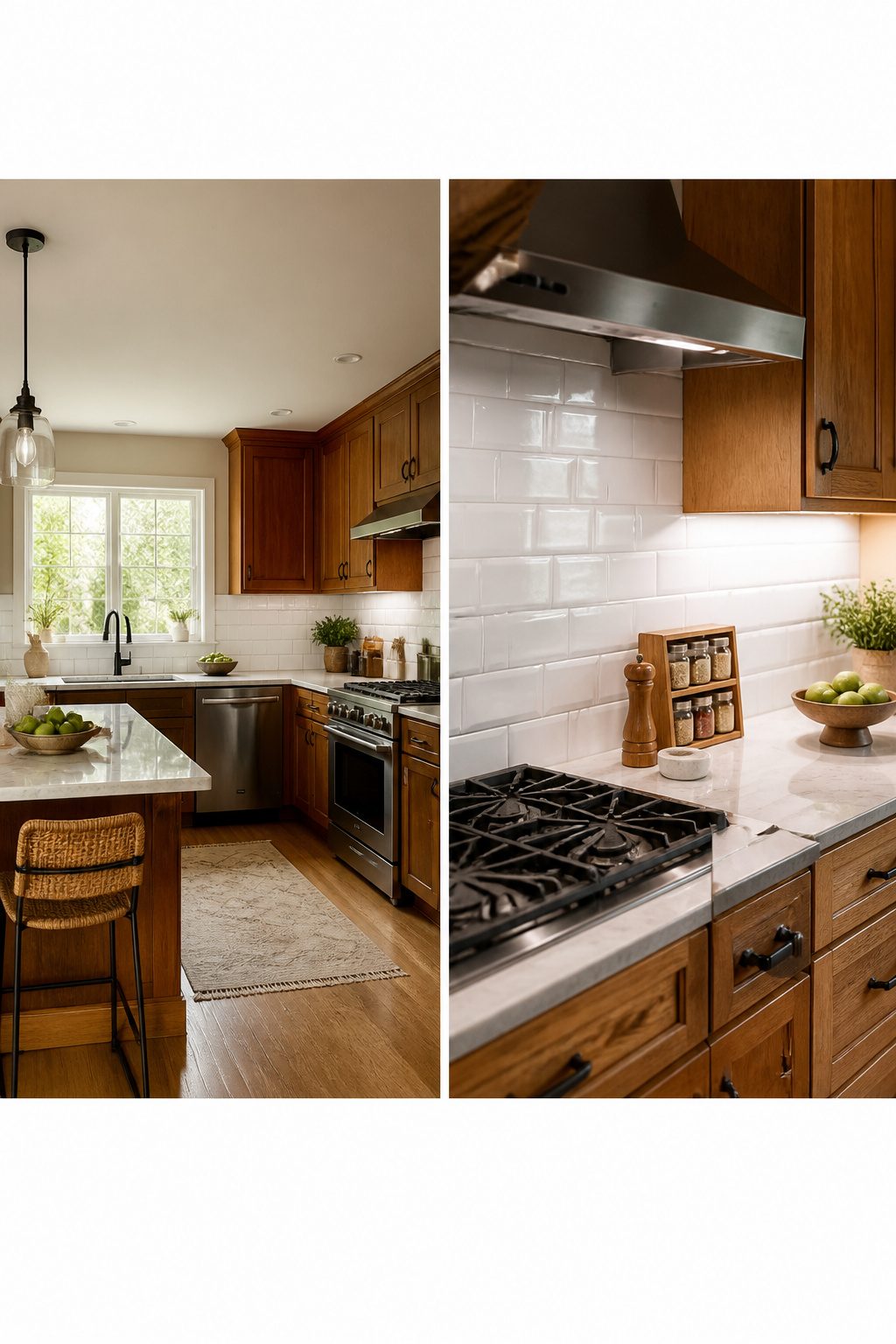
A backsplash does more wall duty than almost anything else in a kitchen. Grease, water, and the occasional spaghetti splatter all hit it first, so the visual update is really a side benefit of protecting the surface you already have. Subway tile still reads as the safe choice for a reason: the glazed surface wipes clean, and the rectangular shape fits both narrow strips behind a stove and full wall runs without looking scaled wrong. Glass mosaic or ceramic in bolder shapes works if the rest of the kitchen stays quiet; the source material mentions sheets or accent placements, which keeps the pattern from overwhelming a small space.
What actually separates a weekend project from a three-weekend regret is the adhesive and grout. Standard mastic works for dry backsplashes, but anything near a sink or cooktop needs a modified thinset that handles moisture and temperature swings. Unsanded grout fits joints under 1/8 inch; sanded grout goes wider and resists cracking better. First-timers often rush the cure time and end up with haze they cannot scrub off, so let the grout sit untouched for the full period the bag specifies, even if it looks set hours sooner.
Renters have a separate path entirely. Peel-and-stick tiles go up over existing tile or painted drywall and lift back off with a hairdryer and patience. The adhesive quality varies by brand, and the cheap sheets tend to curl at corners within a year, so buy a few extra to replace the failures. Habitat for Humanity Re-Store locations sometimes carry discounted tile if the landlord approves a permanent install, which lets you practice real grouting on someone else’s dime.
4. Replace or Refinish Countertops
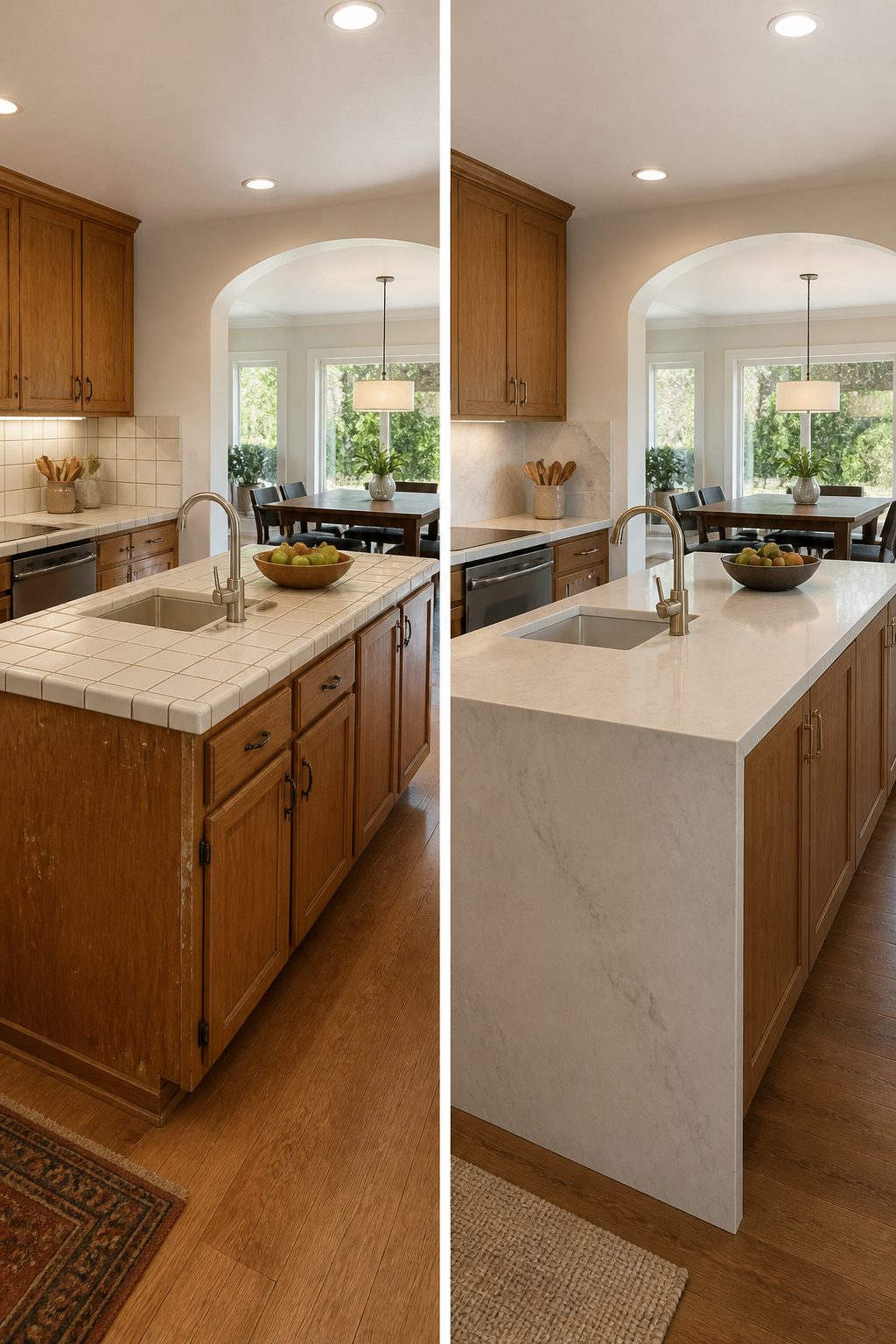
Granite and quartz dominate most conversations about updating the kitchen, but the choice between them is really a choice about Saturday mornings. Granite needs periodic sealing; quartz does not. That maintenance gap is the entire decision for anyone who already resents wiping counters.
Butcher block sits at the other end of the effort spectrum. It dents, it stains, and the first hot pan leaves a mark you will notice forever. Some people call that character. After two years of oiling mine every month, I call it a relationship. The warmth is real, though, and the install is light enough to manage without a crew.
Stone replacement, in any material, is not a weekend job. Fabrication runs two to three weeks after templating, and the old counters should stay in place until the new slabs arrive. Keep cooking on the laminate while you wait; tearing out early leaves you washing dishes in the bathtub.
For actual weekend work, countertop paint exists, and laminate overlays come in colors and patterns that read as stone from across the room. Neither outlasts a full replacement, but both outlast the security deposit timeline most renters are working with. If the cabinets underneath are damaged at the end, a waterfall edge on an island covers the flaw and reads as intentional design.
Sink replacement pairs naturally with counter work. Undermount sinks in quartz or granite composite, from brands like Elkay or Franke, sit cleaner than drop-ins. A single-hole faucet with an integrated sprayer, Delta or Moen or similar, leaves less grime to collect around the base.
5. Update Appliances
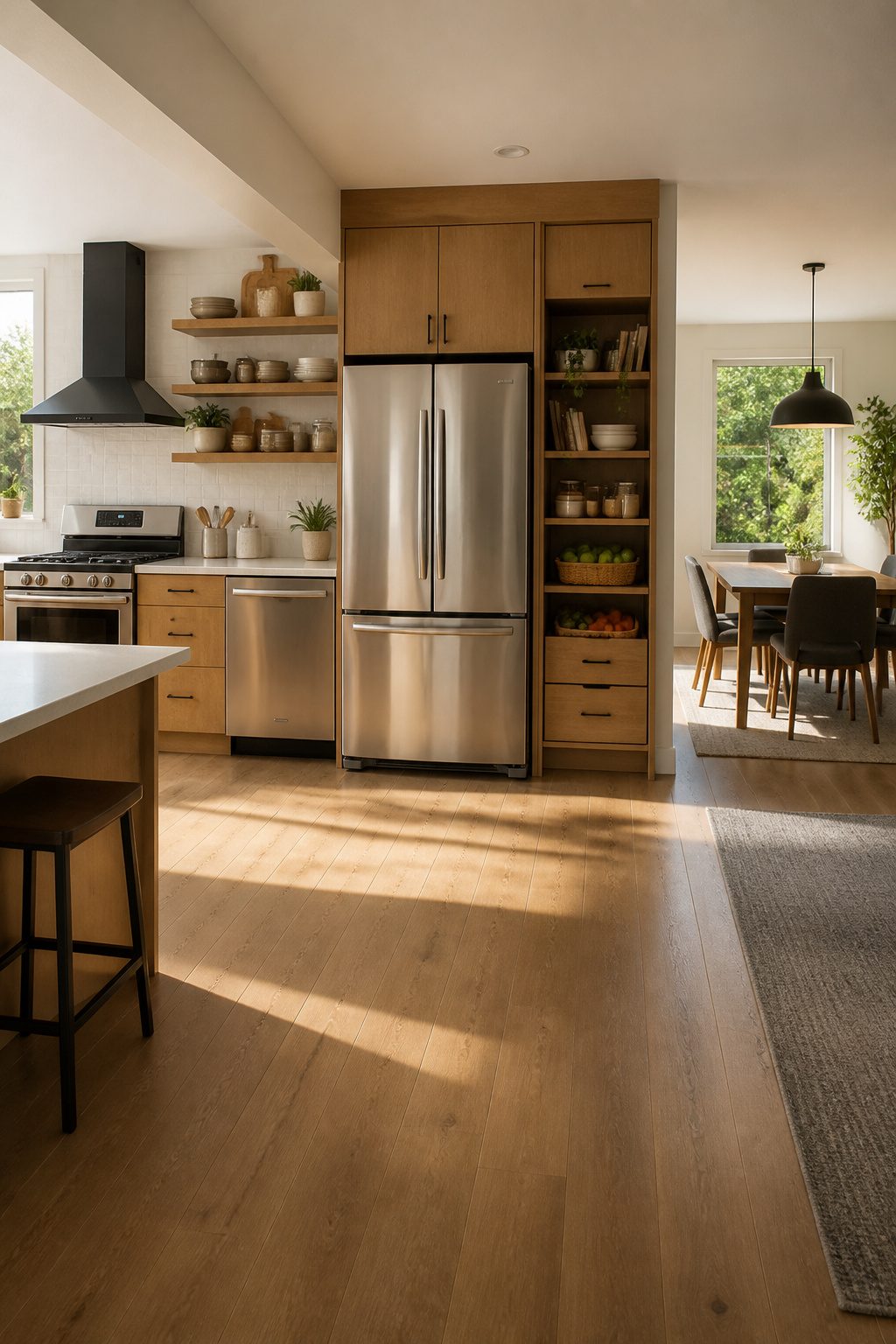
A refrigerator with a door that sticks or a stove with two dead burners makes the whole kitchen feel broken. The first question is whether the appliance is actually worn out or just tired-looking. A 30-inch refrigerator swapped for a 36-inch model will not fit the opening, so the width, depth, and height of what you own right now matter more than the color of the replacement. Measure before you shop.
For renters who cannot pull out the landlord’s units, open-box or scratch-and-dent sections carry the same models at reduced prices if you do buy your own compact gear. A portable induction cooktop or a countertop dishwasher does not need a permit or a plumber. Energy efficiency ratings are worth checking even on small appliances; the savings show up on the bill, not the sticker.
Secondhand markets in most cities move standard sizes reliably. Refrigerators, dishwashers, and electric ranges turn up frequently because people remodel and need stainless instead of white, not because the machine failed. Read the reviews for the specific model year before you commit. A cheap unit that runs loud or burns unevenly costs more in daily annoyance than it saves.
6. Improve the Lighting
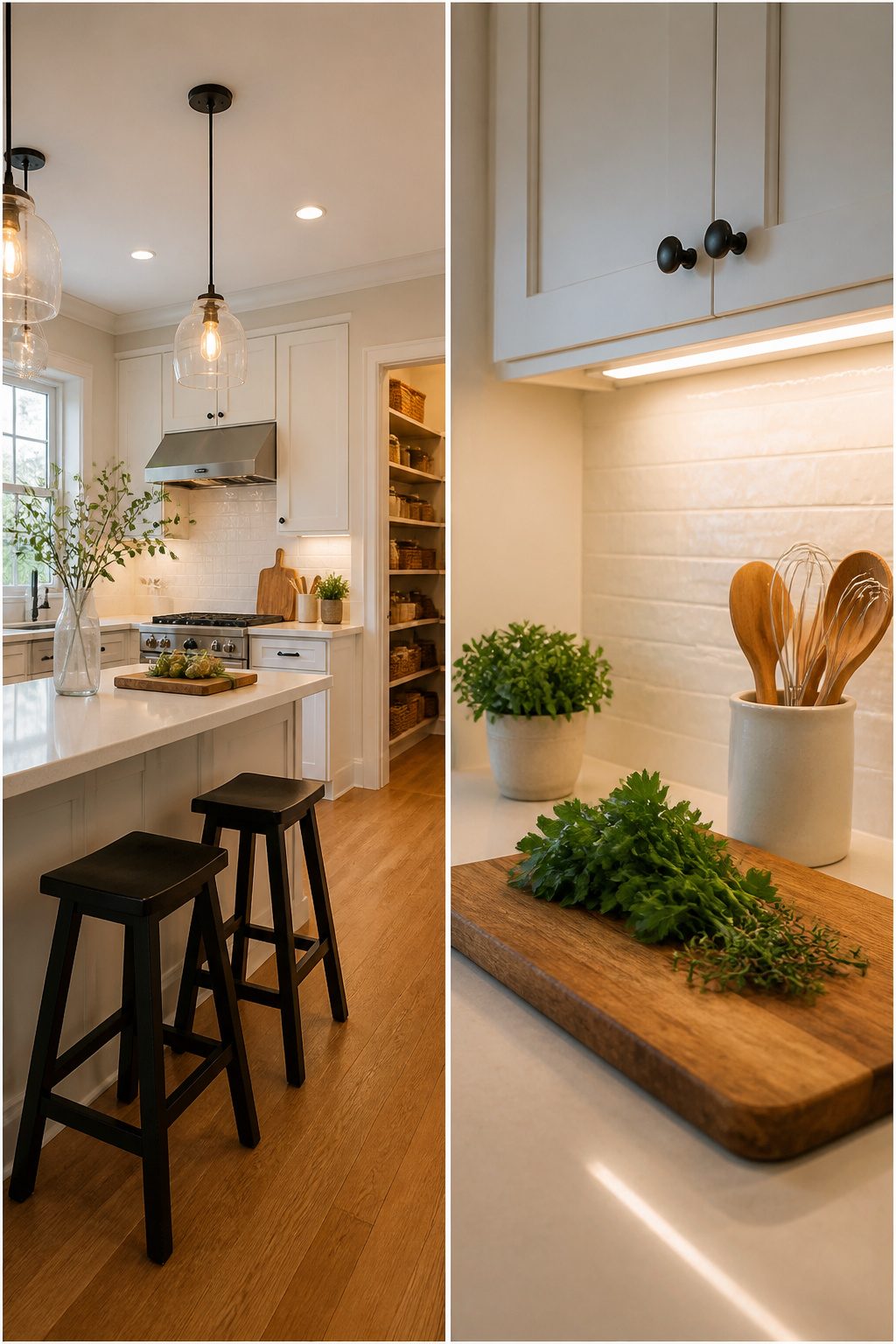
The first time I installed under-cabinet lighting, I realized how much of my countertop had been living in shadow. A strip of LEDs along the underside of the upper cabinets turns prep work from guesswork into something you can actually see, and the warm glow against the backsplash does more for the room’s mood than I expected.
Overhead fixtures date a kitchen faster than almost anything else. Swapping a flush-mount dome for a semi-flush basket shade or a pair of pendants over the island takes an afternoon if the junction box is already there. Renters can legally replace a hardwired fixture if they have basic electrical comfort, save the original in a closet, and swap it back before move-out. No permit needed for like-for-like replacement; anything involving new wire runs is landlord territory.
Battery-powered puck lights or rechargeable LED strips with motion sensors work where wiring isn’t an option. The recharge cycle is a small tax for bypassing the wall entirely. Task lighting belongs at the sink, the stove, and anywhere you chop vegetables; shadowed knives are accidents waiting.
7. Add or Replace Flooring
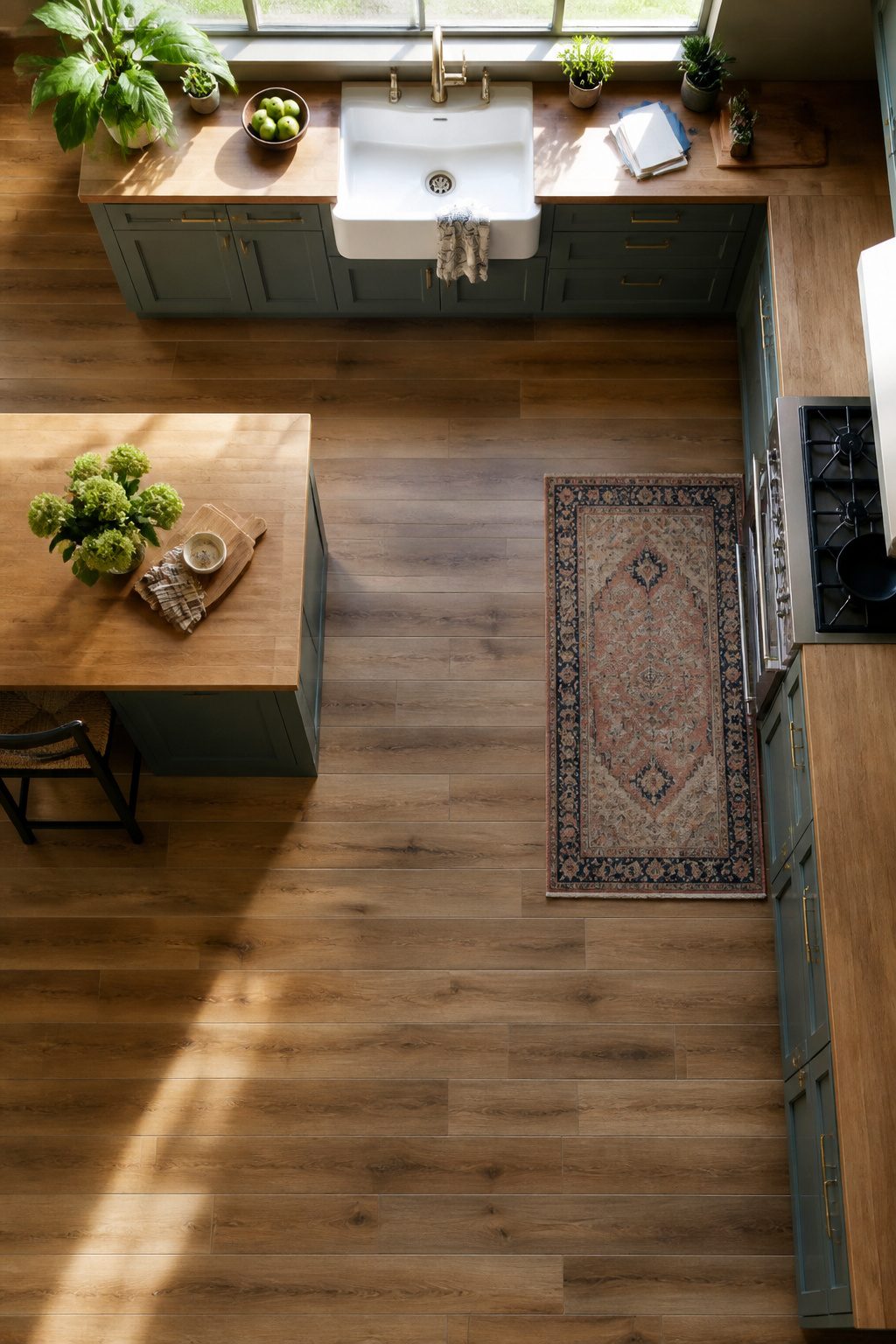
Peel-and-stick tile and floating vinyl planks are the two routes most renters take when the existing floor has to stay put. A floating vinyl layer goes down over almost anything flat; the planks lock edge to edge and the whole surface rides on top without glue, so the original floor comes back up intact when the lease ends. Peel-and-stick demands more patience and a cleaner substrate. Any grit or wax left underneath telegraphs through within weeks, and the corners start curling if the room runs cold or humid.
The tools stay basic for either job: a utility knife, a straightedge, and a tapping block for the planks. What makes the result look cheap is skipping the prep or cutting freehand against the cabinets. Gaps wider than a pencil line along the baseboards read as a mistake from across the room, and no amount of quarter-round will hide them once the furniture is in. I learned that the hard way in a rental where I rushed the scribe cuts around an uneven wall; the shadow lines drew the eye straight to the floor every time.
For a kitchen that sees water and dropped pots, the thicker wear layer on vinyl plank is worth the slight price jump. Peel-and-stick works fine in a dry corner or a pantry, but under the sink it softens and shifts over time.
8. Declutter and Organize
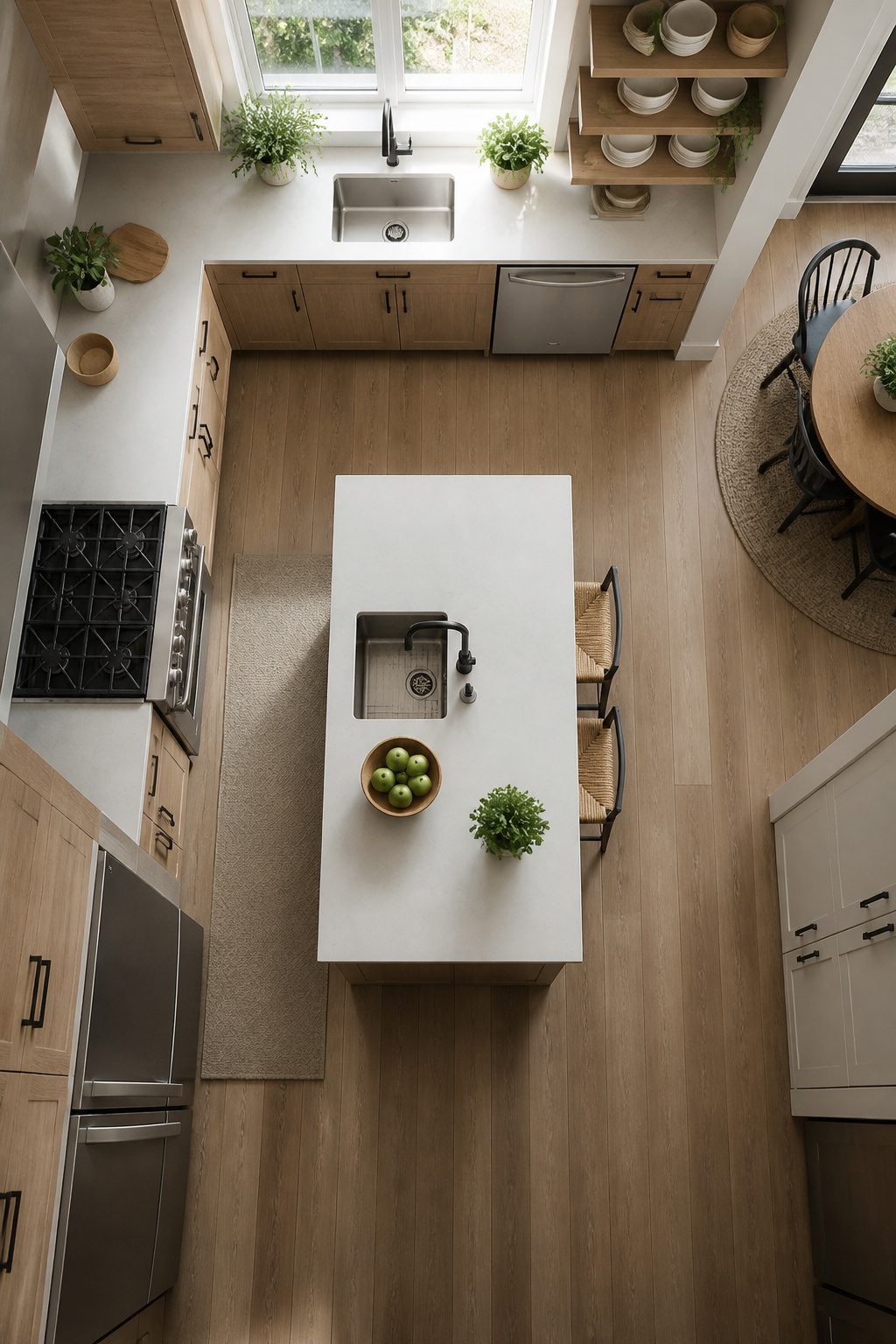
Clear counters change a kitchen faster than almost anything else. The coffee maker stays if you use it daily; the stand mixer can stay if you actually have the space for it. Everything else that plugs in and sits out is eating work surface you already do not have enough of.
I have reorganized cabinets twice thinking the problem was storage, and both times the real problem was keeping things I never used. Donate the duplicate spatulas, the serving bowls you reach past, the appliance you bought for one recipe. Relocate only what belongs somewhere else in the house: batteries to the utility drawer, mail to the office, the pharmacy bag to the bathroom.
The junk drawer is not a storage strategy. Drawer dividers work until they slide out of place; the ones with rubber feet or a light adhesive backing hold up longer than loose plastic trays. Small bins inside cabinets fail when they are one inch too deep for the shelf and you start stacking in front of them instead of inside them. Measure before you buy, and buy less than you think you need.
9. New Rugs, Curtains, and Seating
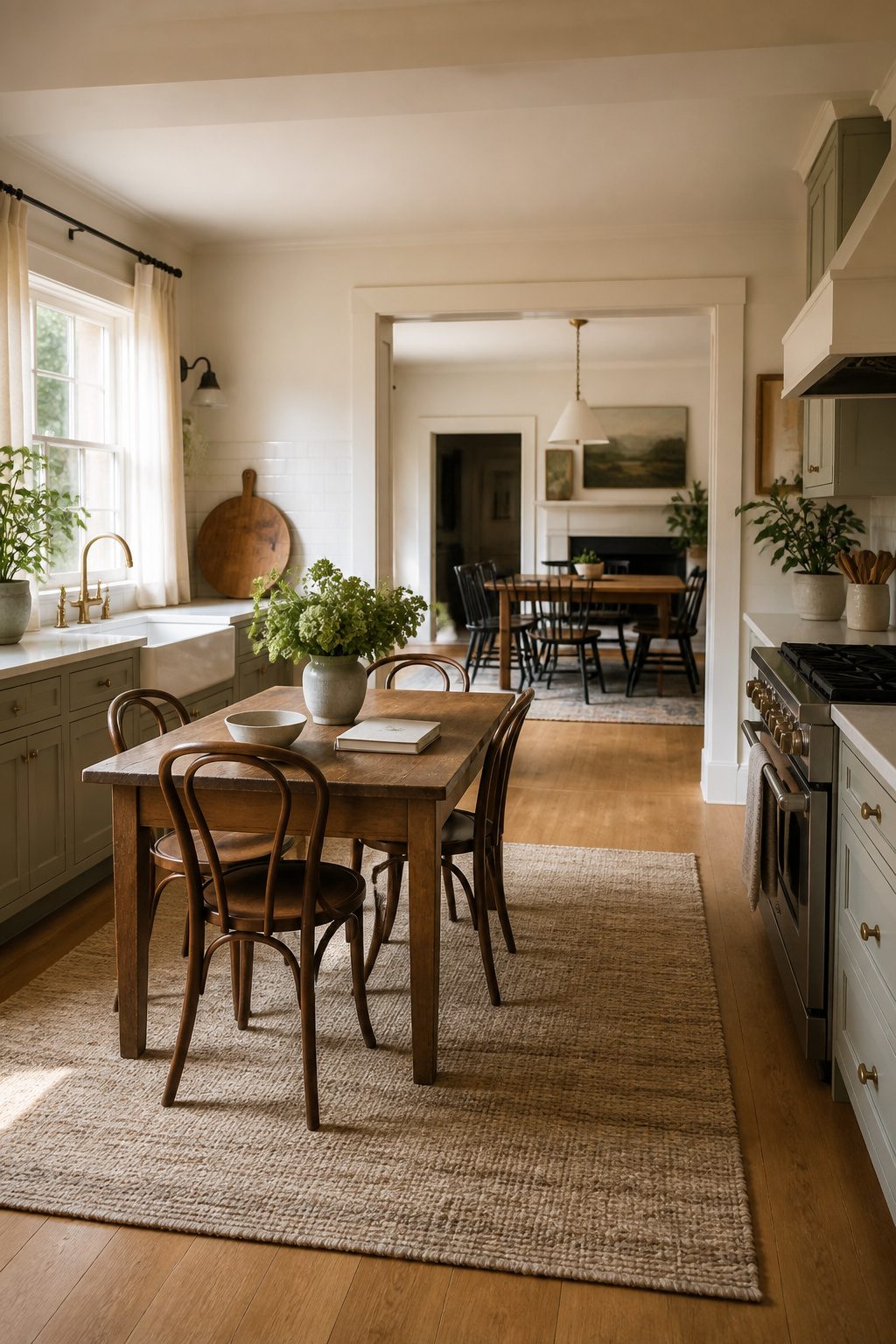
Wool rugs feel good underfoot in a kitchen until the first pasta sauce splatter. Polypropylene or indoor-outdoor flatweaves wipe clean with a damp rag and cost a fraction of what a hand-knotted runner demands. I learned that after abandoning a cotton dhurrie that held onto grease like a memory.
For the tight galley kitchens common in rentals, a 2 x 3 ft mat at the sink and a 2 x 6 ft runner along the work aisle cover the high-traffic zones without fighting cabinet swings. Open plans with a dining nook can take a 5 x 7 ft under the table, but only if the material is thin enough that chair legs do not catch.
Curtains soften a kitchen window faster than any paint job. A cotton duck or linen-cotton blend hung on a tension rod comes down for washing in ten minutes, hardware and all. Avoid floor-length panels near the stove; they collect dust and flirt with the burner.
Seating swaps run the same logic. A set of four vintage bentwood chairs from a thrift store often outlasts the flat-pack alternative, and the price leaves room for new seat pads in a vinyl-backed fabric that sheds crumbs. The secondhand market rewards patience: solid wood frames with loose upholstery are simple to recover, while bonded leather or fixed cushions trap smells and split at the seams.
10. Salvage What Works With the New
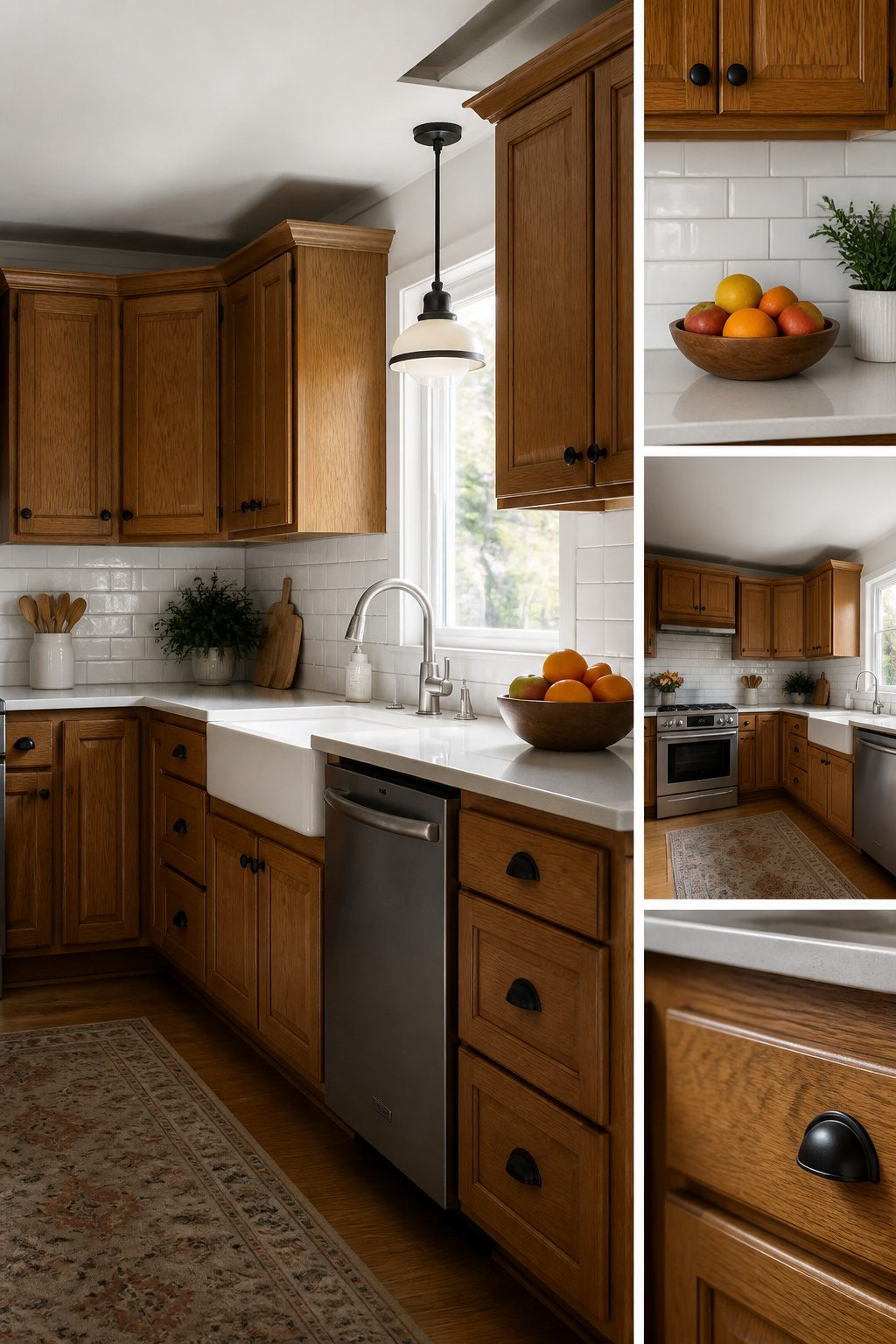
Solid oak cabinets from 35 years ago can look surprisingly current beside a new backsplash or painted wall, but only if the finish is honest rather than neglected. I learned this the hard way in a previous apartment where I painted the walls a warm white and left the existing cabinets untouched, assuming the contrast would read as intentional. It did not. The cabinets had a film of cooking residue that no amount of wiping resolved, and the yellowed varnish fought every modern element in the room. A weekend with a degreaser, fine steel wool, and a fresh coat of water-based polyurethane would have cost maybe $40 and changed the entire result.
Original materials that are structurally sound reward refinishing over replacement. Cabinet boxes in good condition, hinges that still align, drawer glides that operate smoothly: these are the elements to keep. The money saved on skipping new cabinetry covers the countertop overlay or the tile backsplash that actually transforms the space. The risk is keeping too much. Three mostly unusable corner cabinets and one failing drawer base, as I once inherited, meant the storage logic was broken no matter how handsome the oak. Mixing eras succeeds when each piece looks chosen, not inherited by default. A 1980s oak cabinet beside a handmade tile backsplash reads as collected; the same cabinet beside a peel-and-stick backsplash and a countertop overlay in a clashing pattern reads as a kitchen that stalled halfway.
What a Refresh Costs
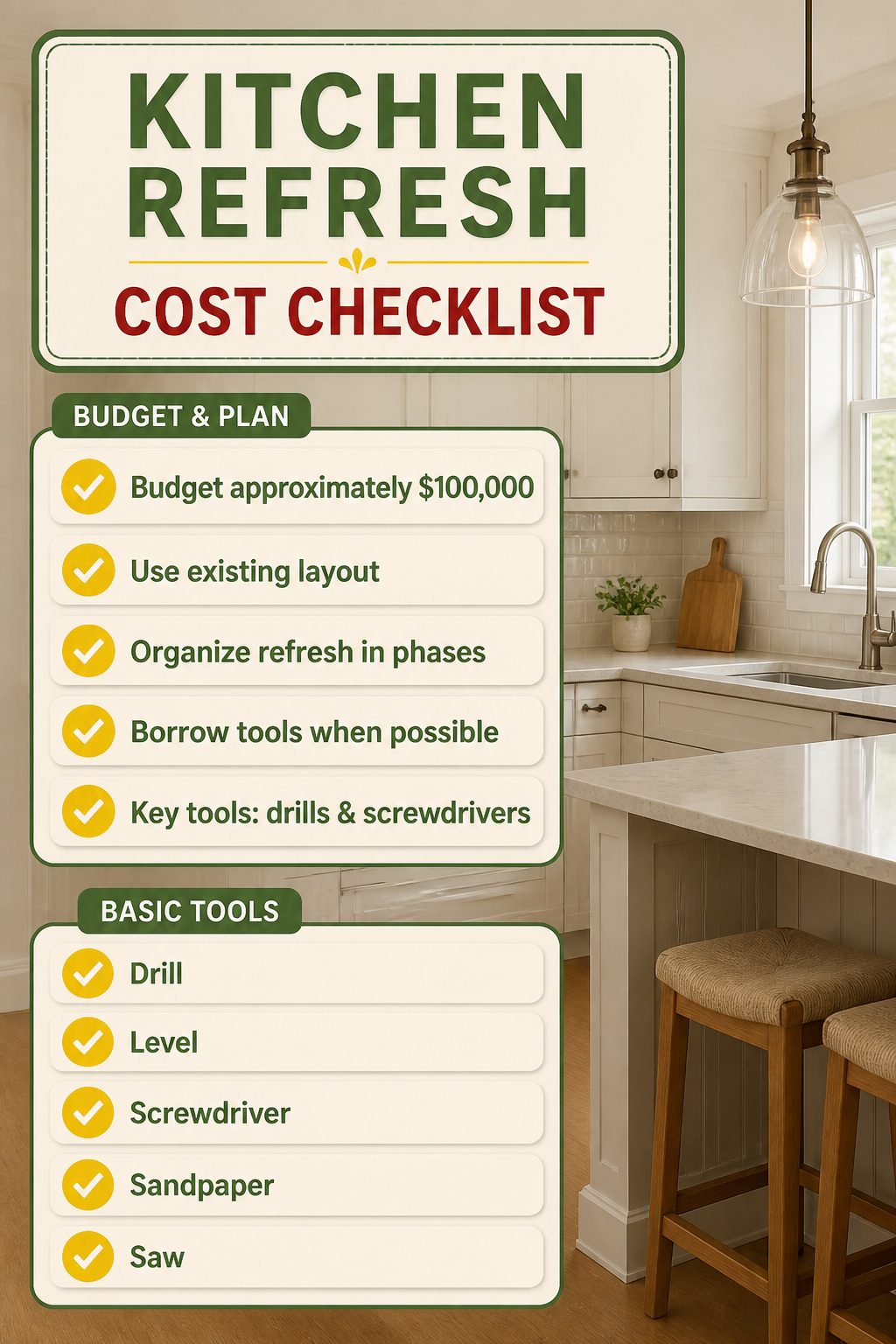
A full kitchen remodel starts around $100,000, which is why most people updating the kitchen work within what they already have. The layout stays, the cabinets stay, and the money goes toward paint, hardware, surfaces, and fixtures that read as new.
Phasing helps. One weekend might go to cabinet painting while the next handles the backsplash or the light over the island. The faucet and fixture you remove can be re-used if you plan the order right, so nothing sits in a box while you wait on another trade.
Most of these jobs need basic tools: a drill, a level, a screwdriver, sandpaper, and a saw if you are cutting countertop or tile. A circular saw or jigsaw covers most cuts, and paintbrushes or rollers matched to your coating keep the finish from looking homemade. Borrow before you buy. A level you use twice is not worth the drawer space, and a crooked backsplash is a daily reminder you skipped it.
What I Do Myself and What I Hire
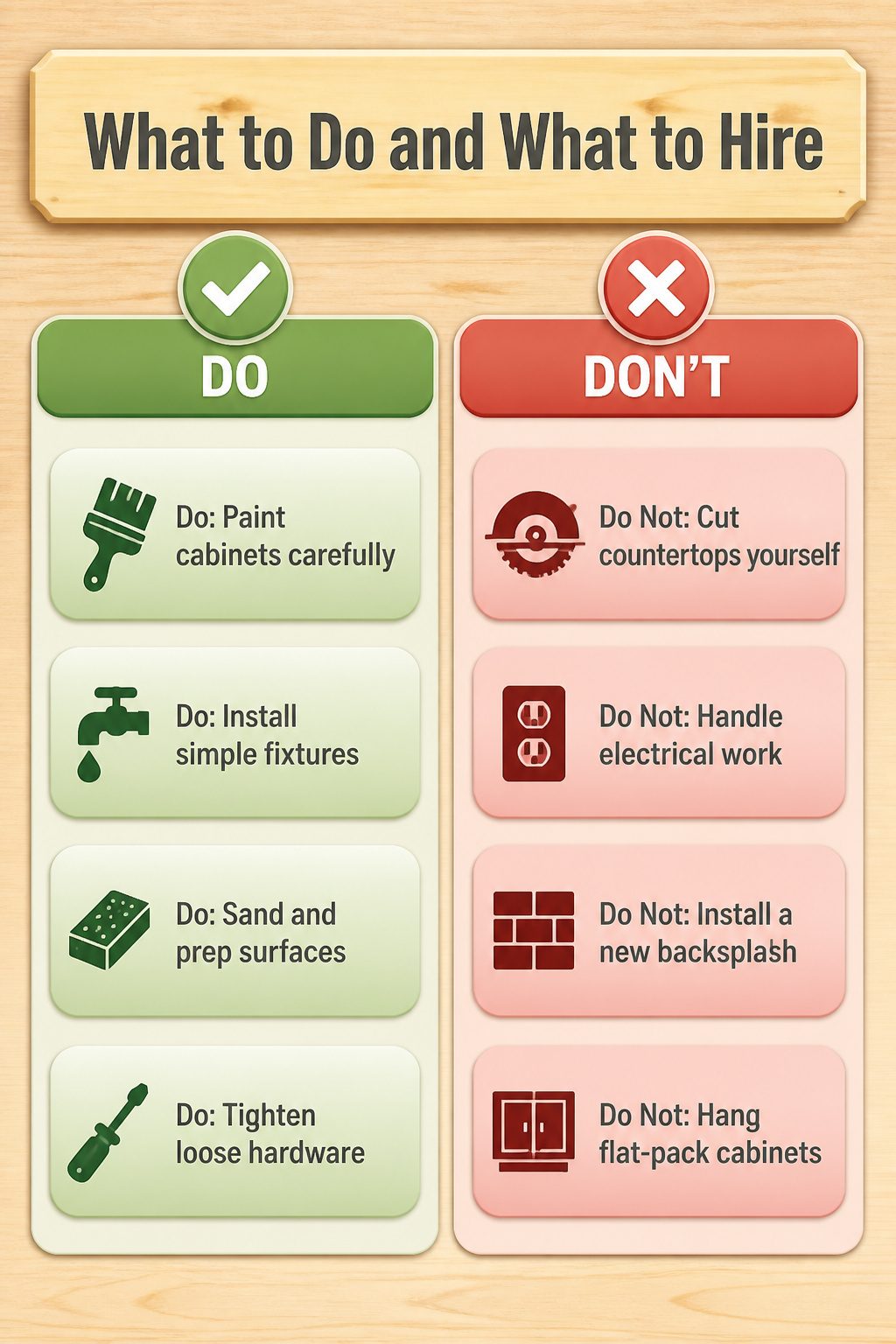
The line between a weekend refresh and a job that spirals into three weekends usually sits right where the power tools start. Paintbrushes and rollers, screwdrivers, measuring tape, sandpaper: these belong to the amateur, and the results hold up fine when the prep work is patient. My own cabinets taught me that the paint matters more than the wrist technique; the right kind of paint keeps the finish from chipping after the first month of slammed doors.
Hanging flat-pack cabinets or running a new backsplash shifts the math. A circular saw or jigsaw, a drill, a level: these tools do not forgive a half-degree tilt that your eye catches every morning. The savings over a hired crew shrink fast when the countertop cut is off by an eighth of an inch.
Permits trip up renters more often than tools do. Even cosmetic work in a rental building can need written approval before the first brush touches wall. Check the lease for alteration clauses before you buy a single gallon. Property managers vary; some want notice for paint, others for anything that leaves a hole larger than a nail. The hour spent emailing back and forth beats the security deposit hit later.
Keep the Layout You Have
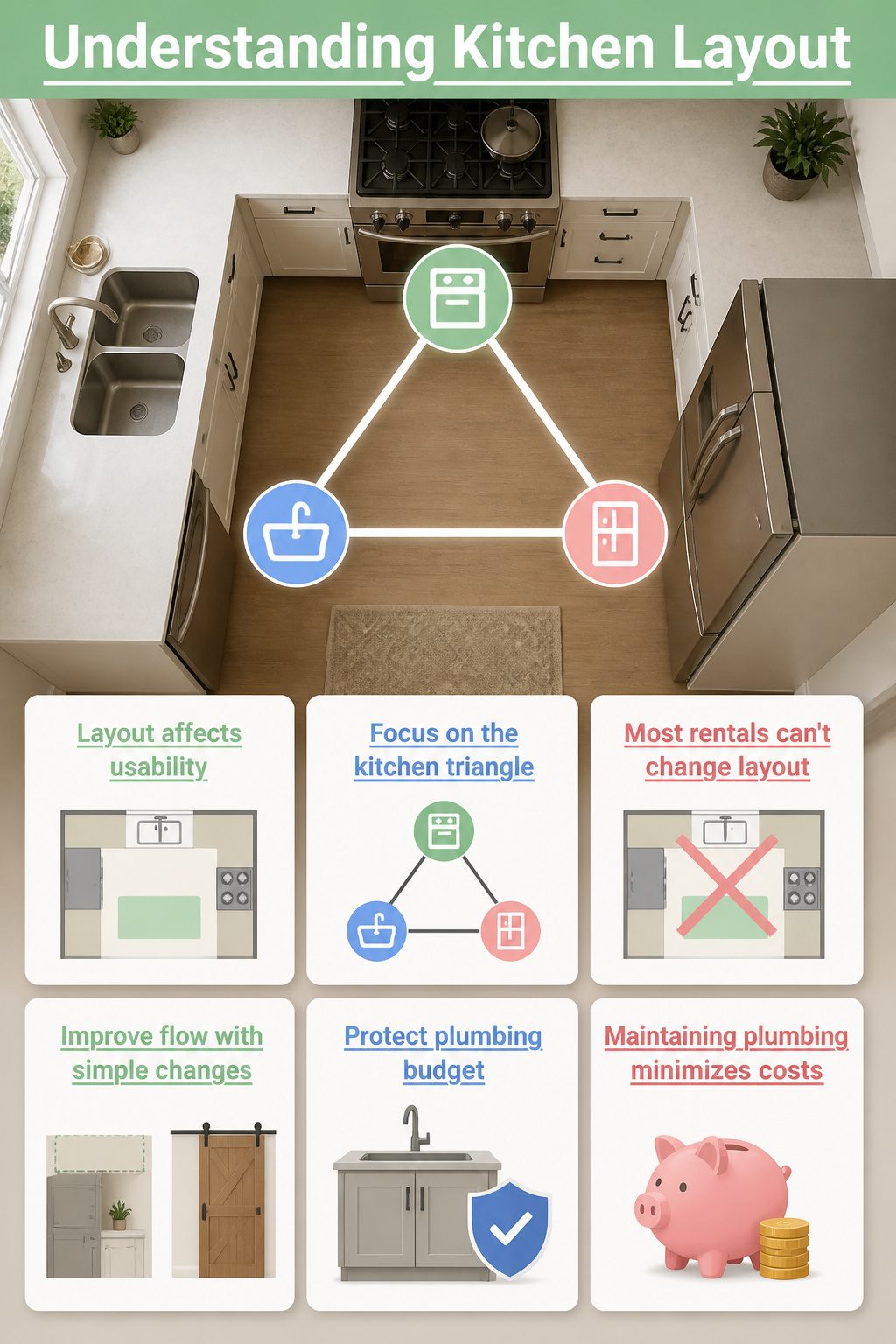
The layout of a kitchen matters more than any single material you choose. A expensive countertop on a bad triangle still leaves you carrying hot pans around a corner. When I first started reading about kitchen work, the distinction that stuck with me was between a refresh and a remodel: a refresh keeps the existing configuration and floor plan, swapping surfaces and fixtures, while a remodel redesigns the space itself. That boundary matters because most rental layouts and many starter-home kitchens cannot be fixed without moving walls, plumbing, or appliances, and that is where the budget and timeline break.
What makes a layout work is the relationship between sink, stove, and refrigerator, the counter space beside each, and whether multiple people can pass without blocking a task. Common rental problems, a galley that dead-ends at a door or a U-shape with no landing space by the fridge, are usually locked in by load-bearing walls or circulation routes that cannot change. You can still improve flow. Removing a soffit above cabinets makes the room read larger visually. Replacing a swinging door with a sliding barn door reclaims the swing arc for counter space. Keeping the sink and appliances where they are protects the plumbing budget, which is where weekend projects become month-long disruptions.
Painted Cabinets and Modern Fixtures
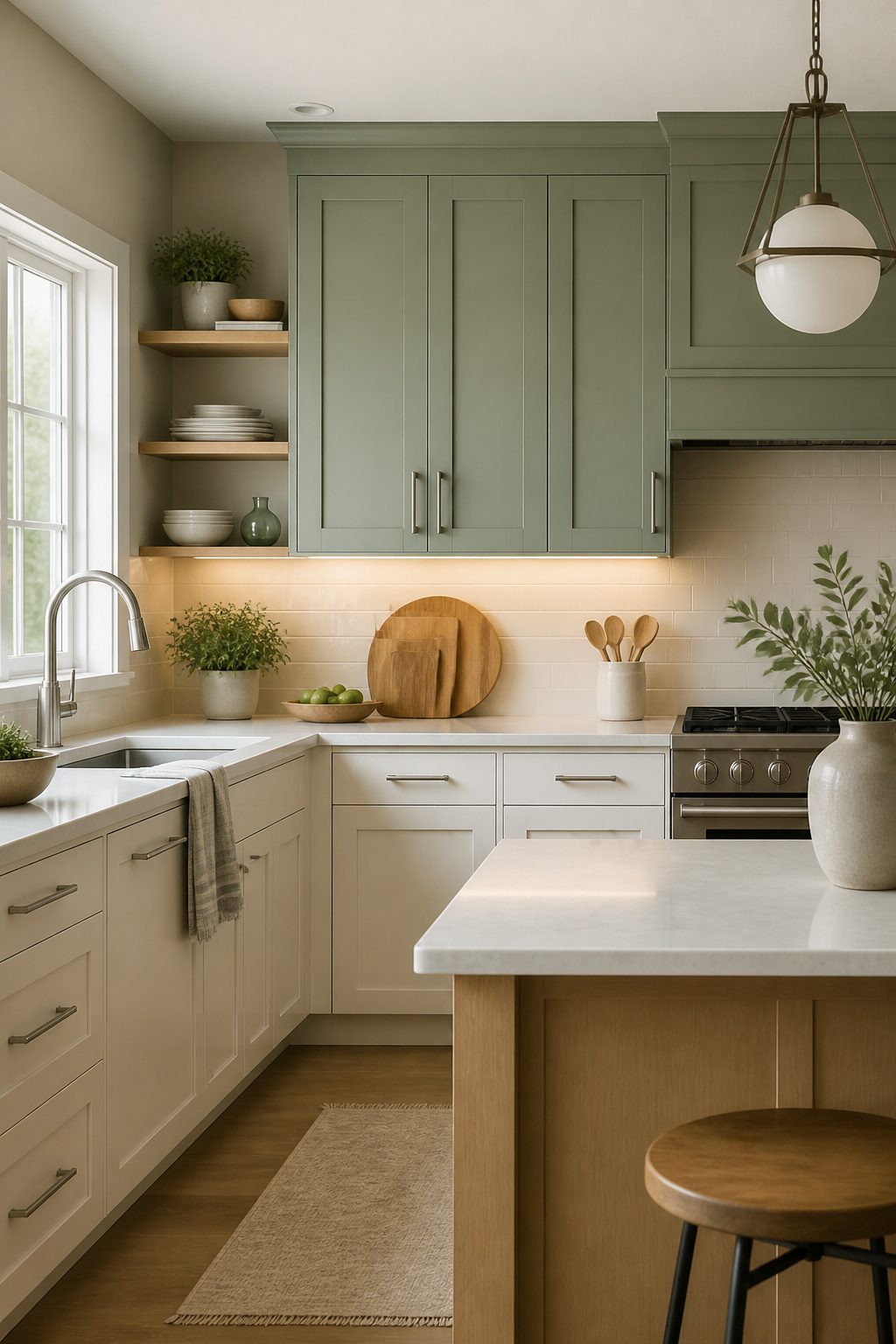
Painted cabinets are one of the hottest trends in kitchen design right now, and the shift has staying power. White still dominates, but mixing finishes is where the look feels current rather than dated. A kitchen with every cabinet in the same color reads 2019 fast. Two-tone setups, upper cabinets in one shade and lowers in another, borrow from trend without locking you into a full style renovation.
Lighting ages a kitchen just as quickly as cabinet color. Incandescent fixtures and fluorescent boxes are the giveaways. Swapping them for LED or compact fluorescent options modernizes the space in an afternoon. Under-cabinet lighting is the add-on that actually earns its place: it costs little extra if you are already replacing fixtures, and it changes how you use the counters.
Hardware sits between these two moves. New handles and knobs run a few hours of DIY and wear out their welcome faster than the cabinets themselves. The sources point to local hardware stores and online retailers for inexpensive options, which is code for not overthinking it. Match the metal to your new fixtures if you want cohesion, or mix deliberately if you want the kitchen to feel collected rather than staged.
The mistake I watch for: painting cabinets without addressing the hinges and pulls. Fresh paint against rusty hardware is the visual equivalent of a new shirt with old shoes. Replace the hardware when you paint, or the kitchen still reads dated.
Frequently Asked Questions
What are some easy ways to refresh my kitchen?
Paint, hardware swaps, and light fixture updates give the fastest visual change for the least work. A fresh coat on cabinets or walls runs under a few hundred dollars, new pulls and knobs install in an afternoon with a screwdriver, and replacing dated overhead lighting or adding under-cabinet LEDs changes how the whole room reads. Most of these need only basic tools you already own.
How can I update my kitchen on a budget?
Focus on surfaces and fixtures rather than structure. Paint for cabinets, walls, or floors costs the least and delivers the most visible difference. Hardware runs under two dollars per piece, peel-and-stick backsplash tile avoids grout and demolition, and vinyl plank flooring floats over the existing floor without glue. The article notes that a full remodel starts around $100,000, so keeping the layout and cabinets in place protects the budget.
How do I choose the right backsplash for my kitchen?
Match the material to the moisture and grease exposure it will face. Subway tile works almost anywhere because the glazed surface wipes clean and the rectangle scales to both narrow stove strips and full walls. Near sinks or cooktops, use modified thinset rather than standard mastic so adhesive holds through temperature swings and humidity. For renters, peel-and-stick tiles lift back off with a hairdryer, though the cheap sheets tend to curl within a year.
What should I consider when replacing my kitchen countertops?
Weigh maintenance against how you actually live. Quartz needs no sealing; granite does, repeatedly. Butcher block dents, stains, and requires monthly oiling, but the warmth and lighter install matter to some owners. Stone replacement is not weekend work: fabrication runs two to three weeks after templating, and the old counters should stay in place until the new slabs arrive so you are not washing dishes in the bathtub. For faster work, countertop paint or laminate overlays read as stone from a distance and outlast most rental timelines.
How important is kitchen layout when updating?
The layout matters more than any single material you choose. A refresh keeps the existing configuration and floor plan, swapping only surfaces and fixtures, while a remodel redesigns the space itself. Most rental layouts and starter-home kitchens cannot be fixed without moving walls, plumbing, or appliances, which is where budgets and timelines break. What makes a layout work is the relationship between sink, stove, and refrigerator, plus counter space beside each and room for multiple people to pass without blocking tasks.