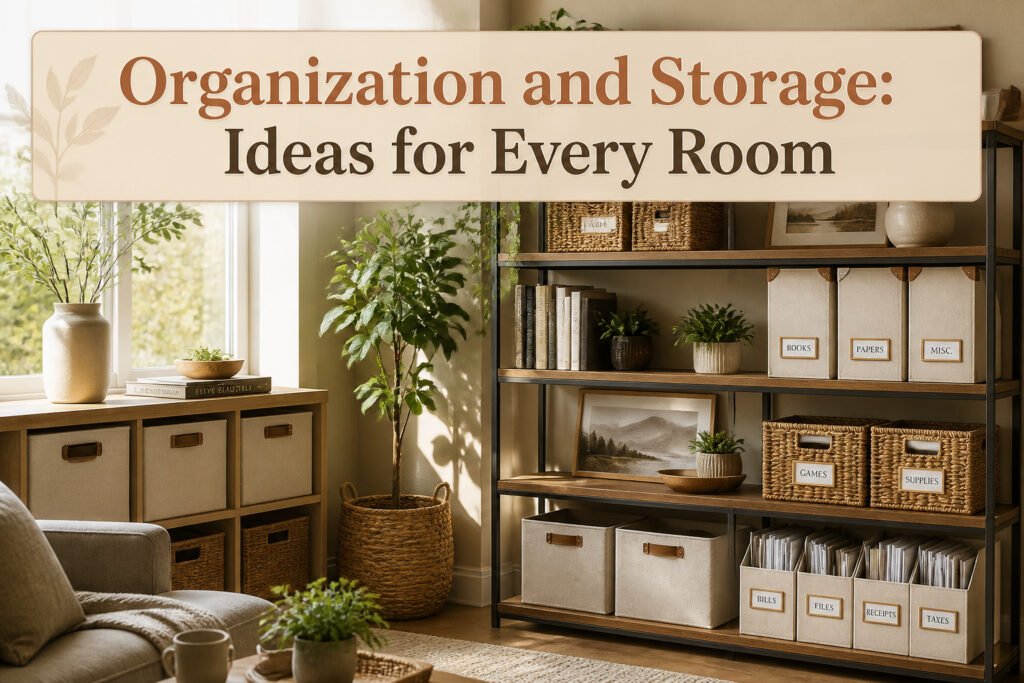
Practical organization and storage ideas for every room work only when they match the room you actually have, not the showroom version in your head. A two-tier slide-out sink shelf, for instance, clears under-sink clutter only if your cabinet height clears both tiers by at least half an inch, and a bed sheet organizer turns a Jenga-stack linen closet into upright labeled files for the price of a couple of coffees. The fourteen picks here were tested where it counts: rental closets with fixed shelving, narrow doors with swing clearance issues, and kitchens where one drawer holds everything from zesters to corn strippers you forgot you owned.
1. Bed Sheet Organizer
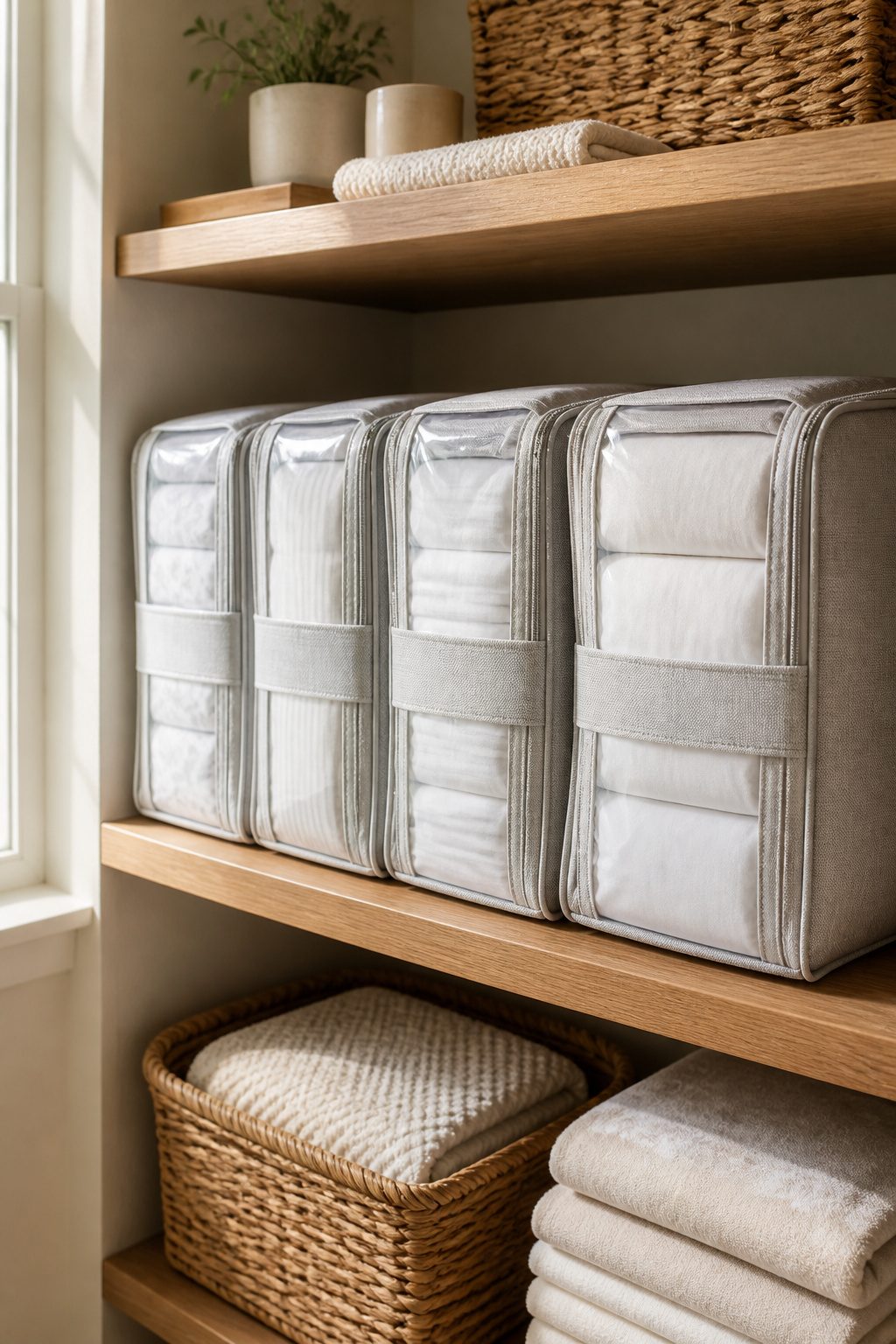
A closet shelf of folded sheets turns into a game of Jenga the second you need the set on the bottom. One pull and half the stack slides sideways onto the floor, which is exactly what kept happening in my linen closet until I tried a pack of six bed sheet organizers with built-in labels.
Each zippered pouch holds one complete set: fitted sheet, flat sheet, pillowcases. The label window on the front means you can write "queen / white" or "king / flannel" and actually find what you need without unrolling every bundle. The organizers also keep the fold tight, so the shelf stays a row of upright files instead of a leaning tower.
Six sounds like a lot until you count how many sheet sets most people actually own. I ended up using two for guest room sets I only pull out seasonally, and the rest for everyday rotations. The closet shelf went from chaos to something I do not have to think about, which for a weekend project and the price of a couple of coffees feels like the right kind of win.
2. Expandable Blanket Storage Bags
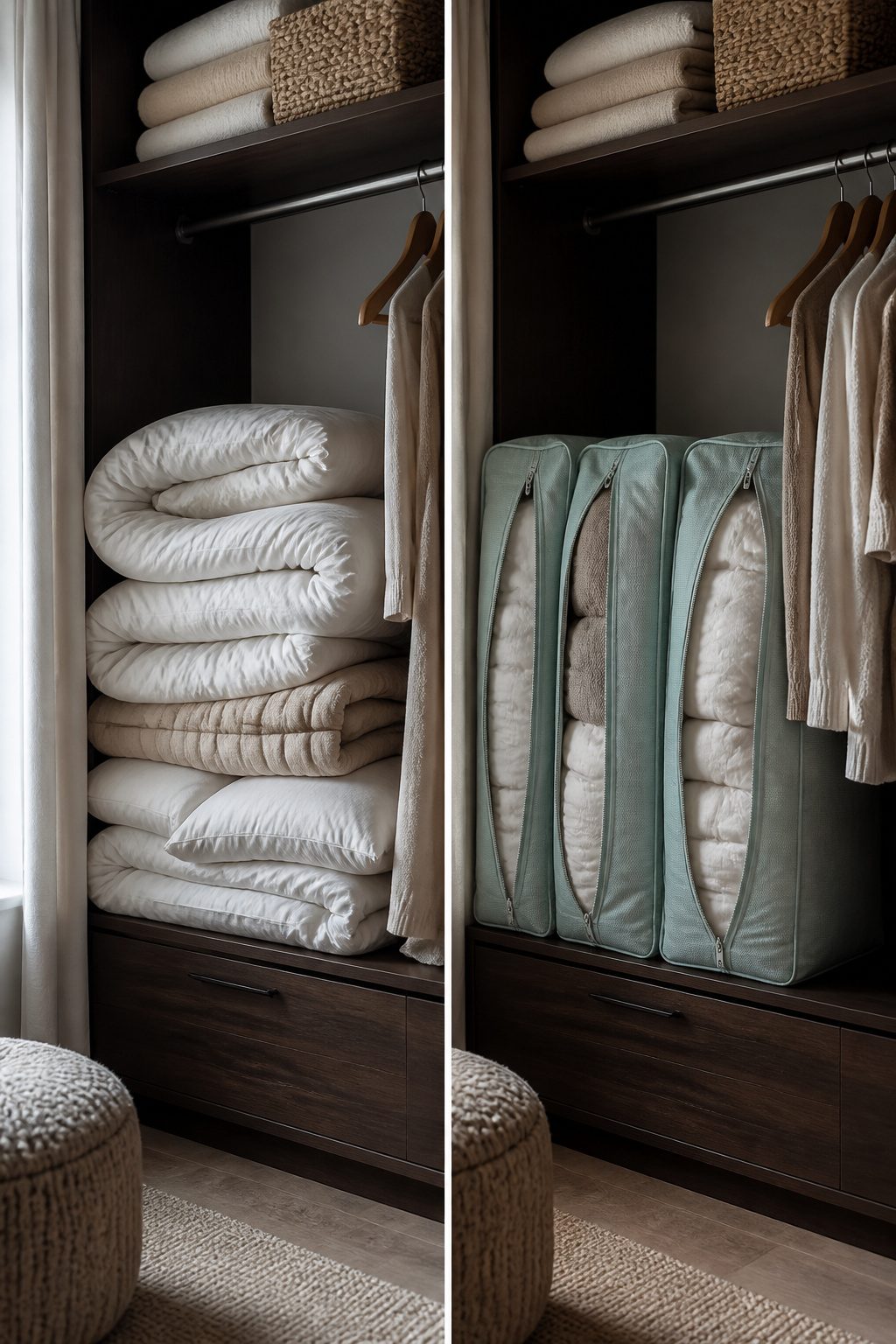
Bulky bedding has a way of swallowing closet whole, and expansion is what makes these bags worth the closet real estate they take up. A pack of three expandable storage bags lets you compress a king comforter down for off-season months, then unzip the gusset when you need full loft again come fall. The difference from vacuum bags matters more than the marketing suggests. Compression storage forces fibers flat and can take days of shaking and sun to recover, while a breathable woven shell lets down and alternative fills rest in their natural shape. I learned that distinction the expensive way after a set of guest pillows came out of flat storage with permanent dents. For long-term keeping, expansion beats compression every time. The gusseted sides also mean the bag holds its structure on a shelf rather than slumping into the crevice between boxes like soft-sided bins tend to do. Renter closets with fixed shelving and no rod adjustment gain the most here; the bag footprint changes to fit the cavity you have, not the one the manufacturer assumed.
3. Clear Shelf Dividers
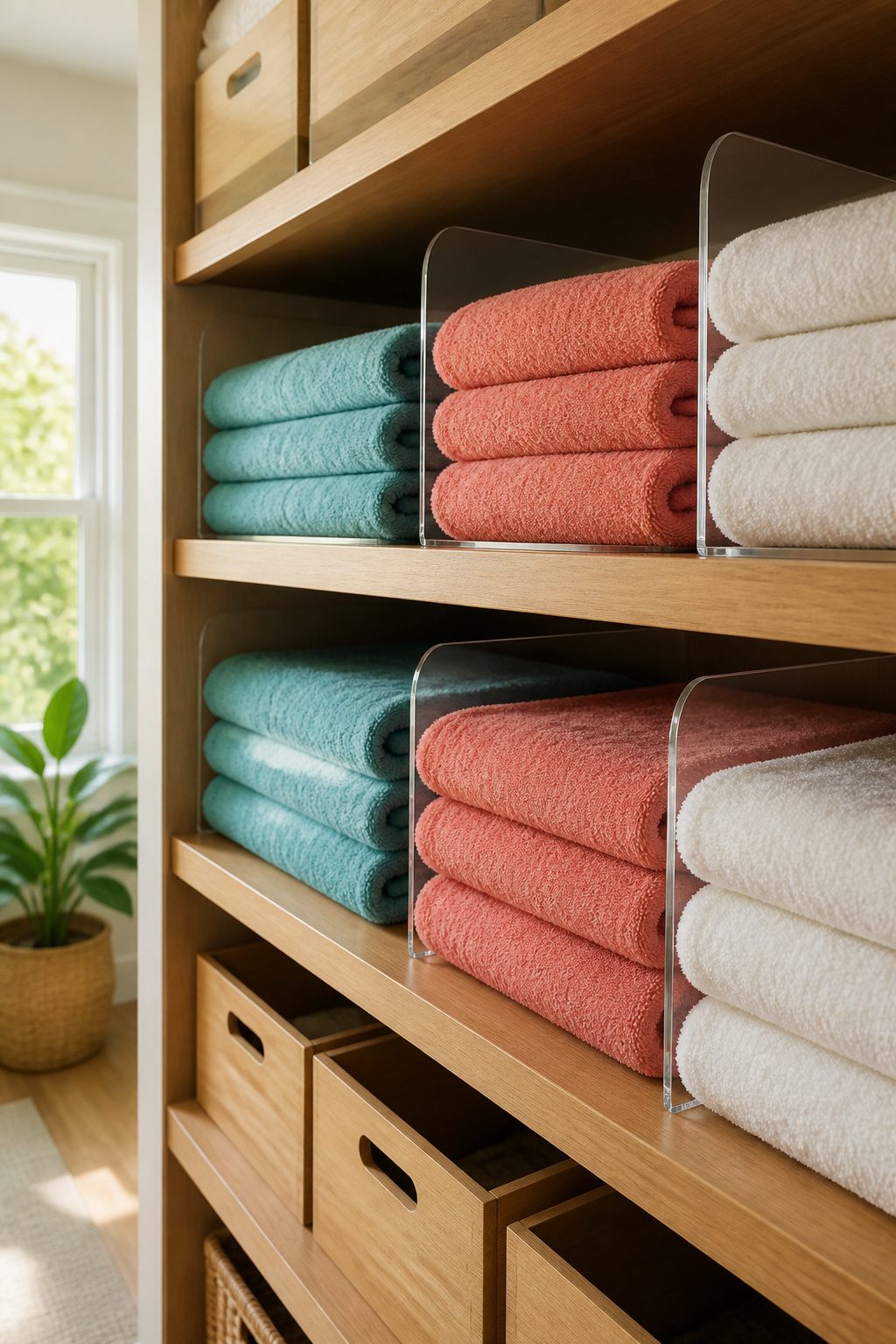
A set of eight clear shelf dividers changes how a closet shelf actually functions. The acrylic or rigid plastic sits flat against the shelf with a small lip that slides underneath the front edge, so installation means standing them up and letting gravity do the rest. No hardware, no adhesive, no argument with a landlord.
Visibility is what sells them over fabric bins or labeled baskets. You still see the full stack of towels or sweaters, which means you remember what you own. The physical barrier does the work a basket pretends to do: it keeps the stack from leaning into its neighbor, and it keeps categories from bleeding together after two weeks of rushed putting-away.
I have watched a linen closet go from sorted to chaos in under a month because folded sheets simply slide. The divider acts like a bookend for soft goods. Rigid items, like rolled jeans or storage boxes, need it less. For anything that stacks, the divider pays for itself in time not spent re-folding.
The catch is shelf depth. Standard closet shelves run 11–12 inches deep, and most dividers assume that. A shallow rental shelf or an old house with 9-inch boards leaves the lip hanging or the divider tippy. Measure before ordering, and know that set-of-eight pricing usually assumes you are dividing a single closet, not a whole house.
4. Non-Slip Hangers
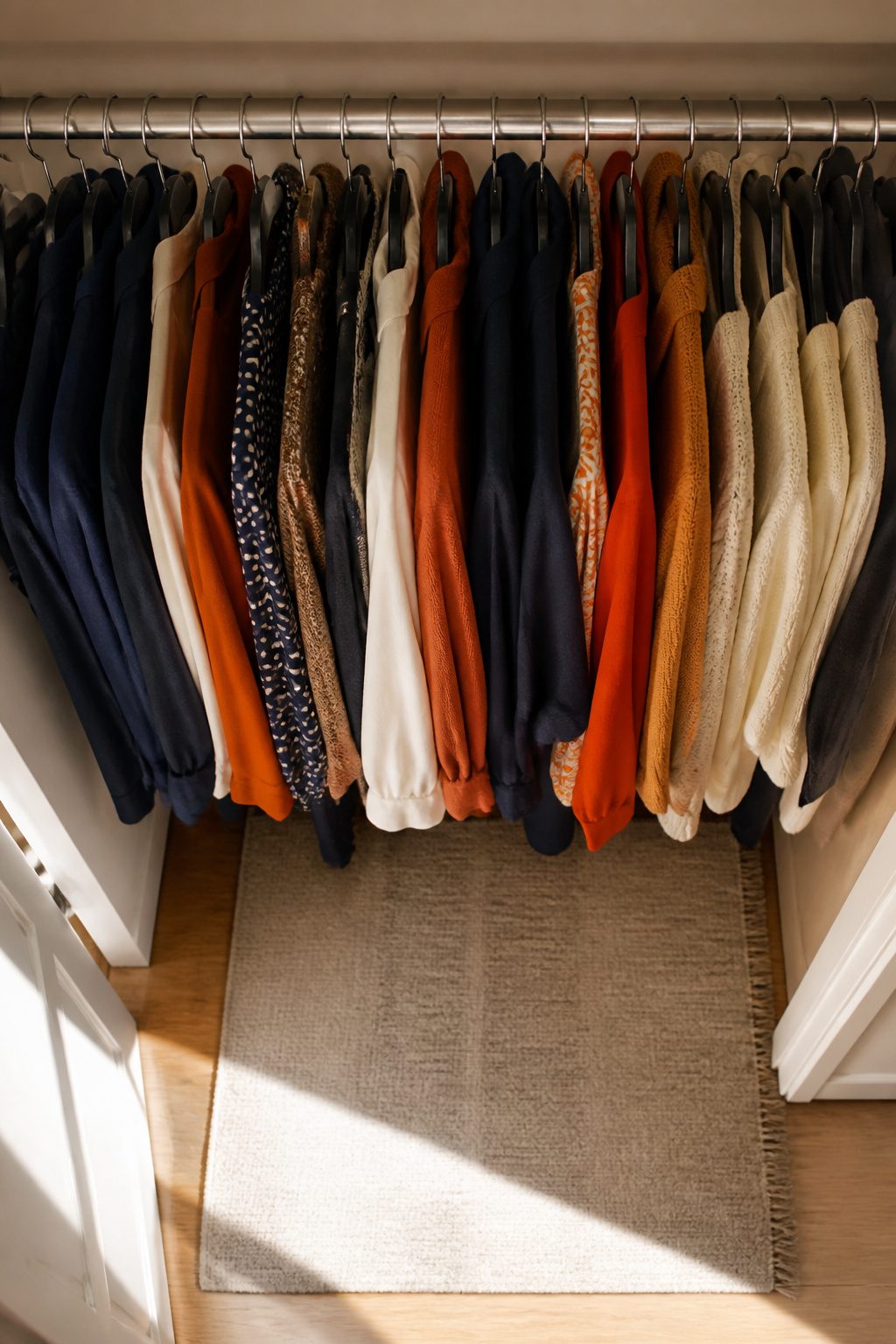
Velvet hangers solve a problem wire hangers create. The thin profile lets you pack about a third more garments onto the same closet rod, and the flocking keeps silk blouses and wide-neck tees from sliding to the floor by Thursday morning. A 50-pack runs about $21, which pencils out to roughly what dry cleaners charge for wire hangers that bend under a winter coat.
The shoulder line matters more than people expect. Wire and cheap plastic leave that sharp ridge in knits after a single season. The wider, curved shape here supports the fabric the way a body does, so cashmere and structured jackets keep their silhouette instead of growing mysterious peaks.
The velvet surface does collect dust in unused closets, and the coating can transfer a faint residue onto white garments in humid months. I keep a damp cloth nearby and wipe them down when I rotate seasonal pieces. For the price, the tradeoff is easy math: replace the whole set twice and you are still under the cost of ten cedar hangers, and you have doubled your usable rod space.
5. Over-the-Door Hanging Coat Rack
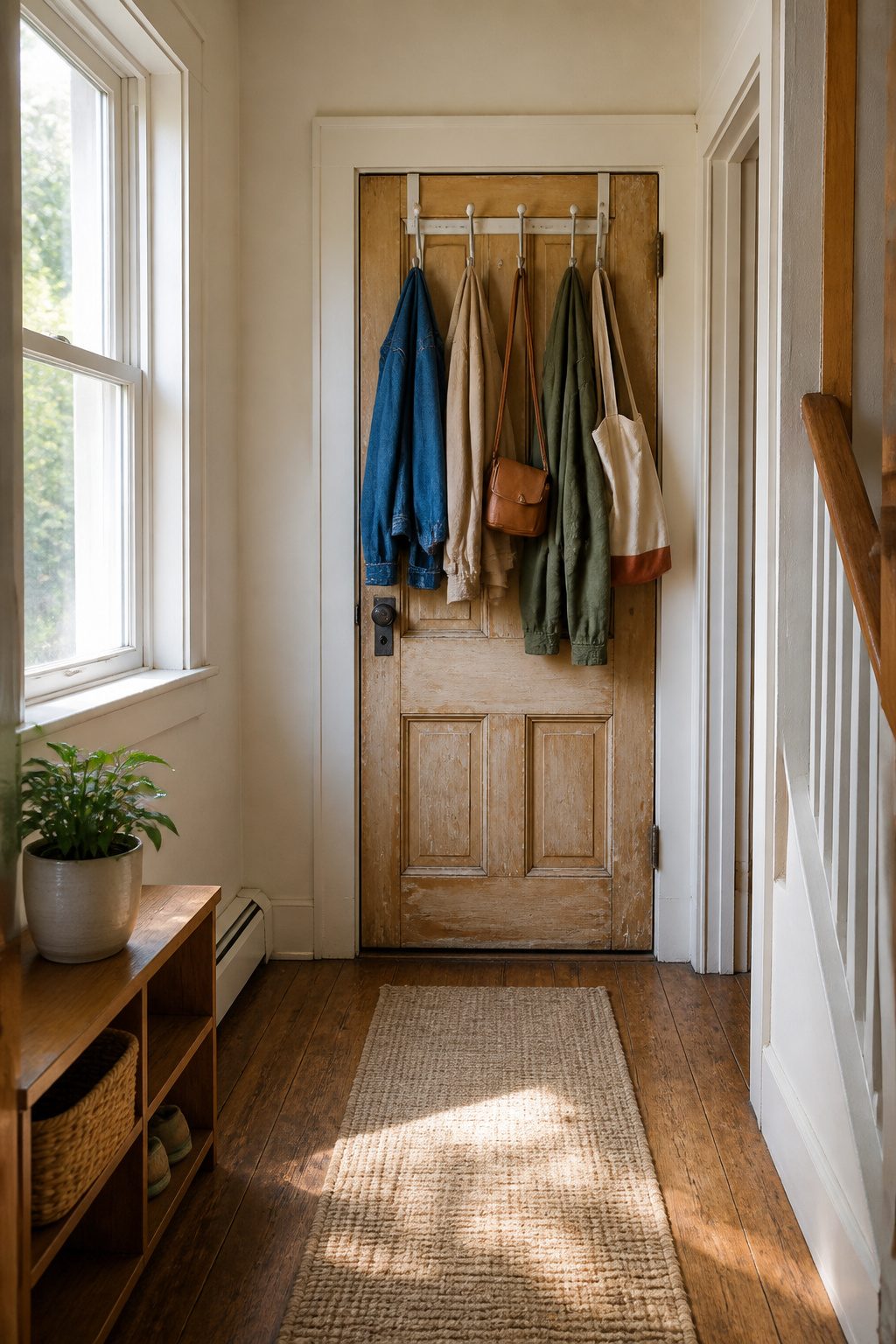
A door that opens into a hallway or bedroom wastes about four inches of depth that most renters never touch. An over-the-door hanging coat rack turns that gap into usable vertical space for coats, bags, or the outfit you laid out for morning. The hooks sit on the back side, invisible when the door faces a wall, so the room looks cleaner than a freestanding rack would allow.
The catch is swing clearance. A loaded rack adds two to three inches, which sounds minor until the door starts clipping the light switch or the edge of a closet frame. Metal brackets with a slim profile beat thick padded ones here; they keep the load tighter to the door panel and preserve the arc. I mounted one in a narrow guest room where a chair would have blocked the dresser drawer, and the door still opened to its full 110-degree range. The same rack came down within a week on a bathroom door that swung inward toward the toilet. The weight distribution matters too: four heavy winter coats on the outer hooks will torque the whole frame and chew the door edge over time. Better to center the load or accept that this works best for lighter layers and tomorrow’s clothes rather than full seasonal storage.
6. Purse Hanger Organizer
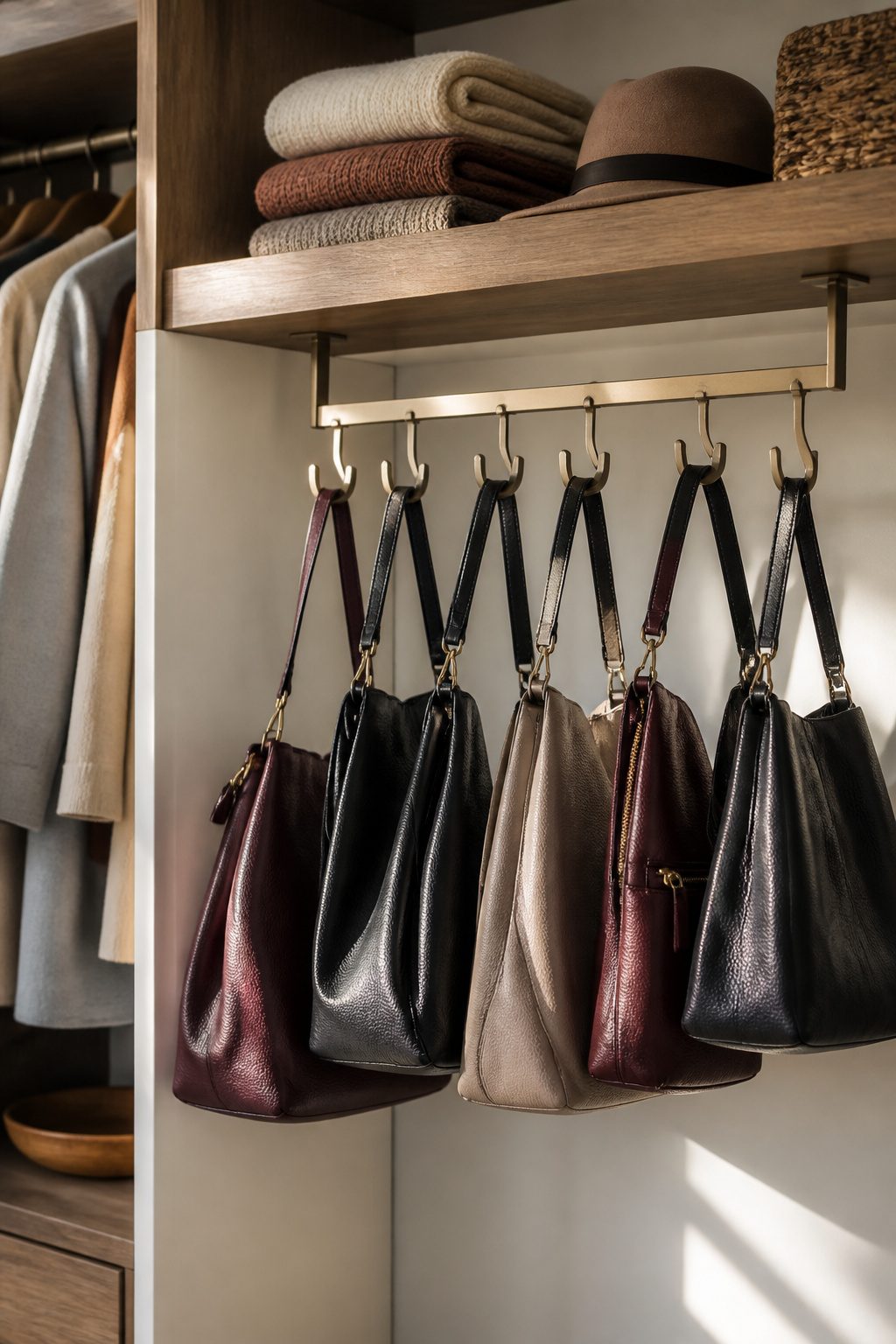
A pack of two purse hanger organizers mounts under a closet rod or onto a shelf, and the difference in how bags hold their shape is immediate. Piled leather slumps against itself; gravity and pressure crease straps, dent panels, and leave permanent folds in soft-sided totes. The hangers keep each bag vertical, weight distributed from the handle down, so the structure you paid for stays the structure you have.
Rod mounting works best for shorter closets where floor space is already claimed by shoes or bins. Shelf mounting sits the hooks higher, which suits longer bags that would brush the floor otherwise. Either way, the gap between bags matters more than the mount style: crowded hangers still crush sides together, so two organizers holding six bags comfortably beats one row crammed with ten.
I tried stuffing purses into a cube bin first. Dust settled in the creases, chain straps tangled into knots, and my structured satchel came out with a dented corner that never fully relaxed. The hangers cost about the same as that bin and took ten minutes to install with a screwdriver. For anyone rotating bags seasonally, the time saved unkinking straps before a switch pays back inside a month.
7. Shoe Organizer Box
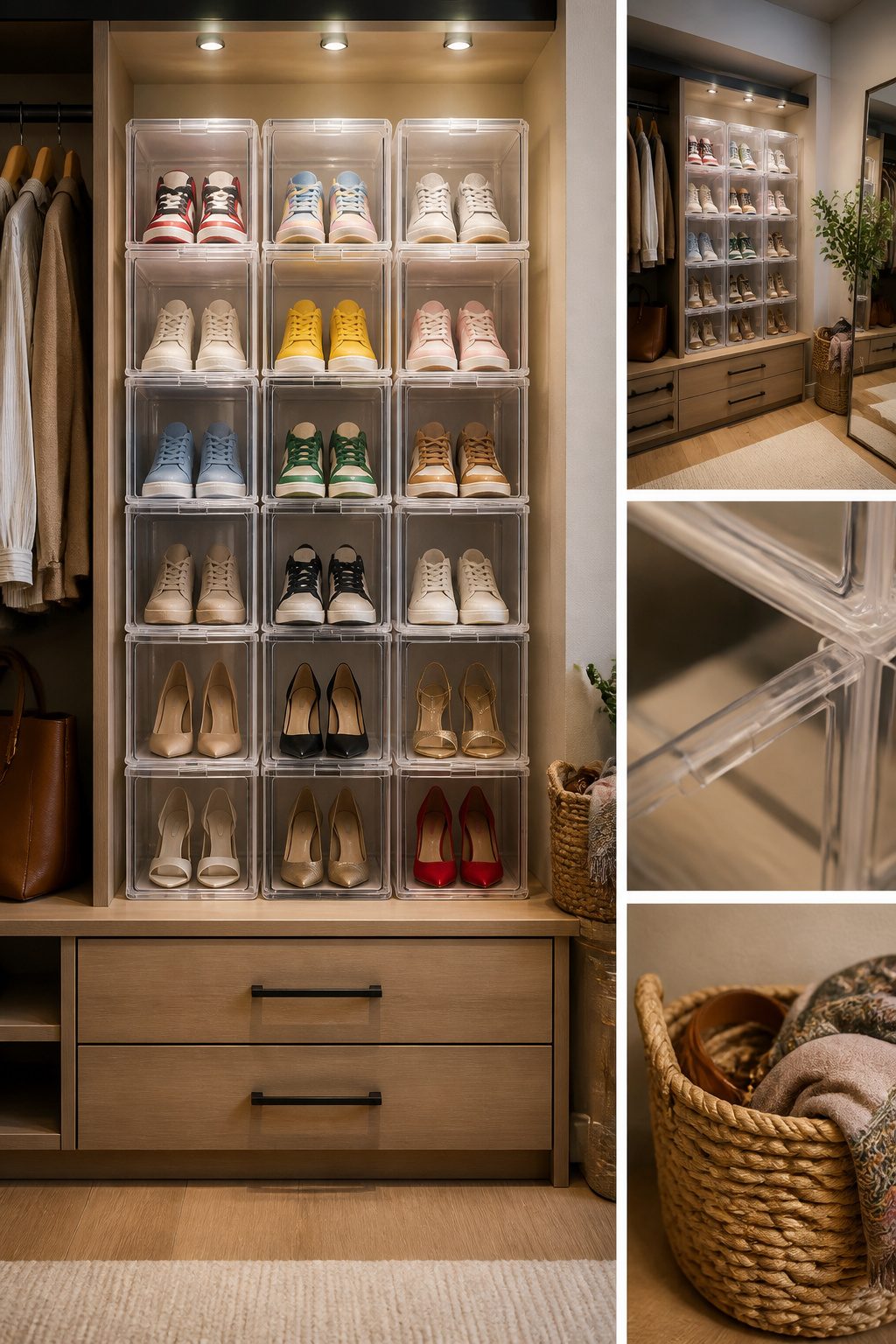
Clear plastic shoe organizer boxes stack into towers that use vertical space while keeping every pair visible. The upfront cost stings compared to tossing shoes on a closet floor, but the protection against dust and the end of digging through piles pays back on rushed mornings. I started with six for my everyday pairs and left the rest in open bins, which was the wrong split; the shoes I wore most often were the ones getting scuffed and dusty. Now I buy boxes for anything I reach for weekly and accept the floor clutter for occasion pairs that sit untouched for months. The stackable frame matters more than the brand: look for boxes that lock together so the tower does not lean or separate when you pull one from the middle.
8. Underbed Storage Containers
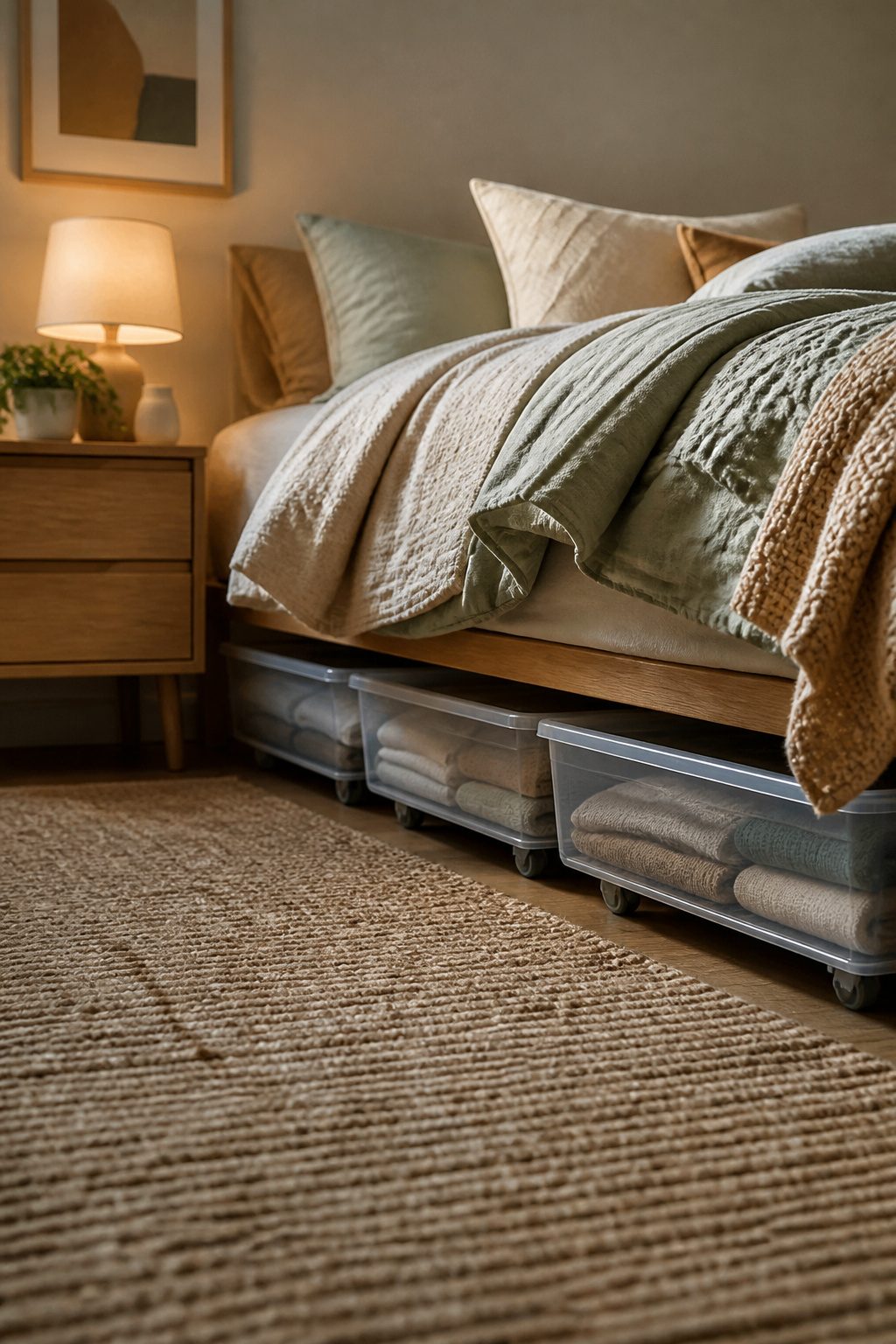
The space beneath a bed is the first place organizers point renters toward, and for solid reason. A flat container that slides out of sight can swallow off-season clothes, extra linens, or gift wrap without asking for a single closet shelf. Not every bed clears enough height to make this work, so the measurement that matters is the gap between your frame and the floor. Standard containers run around six inches tall, and many platform beds sit lower than that.
Wheels or at least a sturdy handle change whether you actually use what you store. A container that requires dragging across carpet by its lid will stay where you shoved it, full of things you forget you own. Hard sides hold shape better than soft ones for stacking, but soft sides squeeze into irregular gaps when the frame legs sit at odd angles.
My own reading through dozens of setup photos convinced me the retrieval problem is what breaks this system. People buy the bins, fill them, then never empty them because reaching the one in back means pulling out the whole row. A low lip or a front-opening drawer design fixes this, though it costs more than basic lidded boxes.
9. Wrapping Paper Storage Case
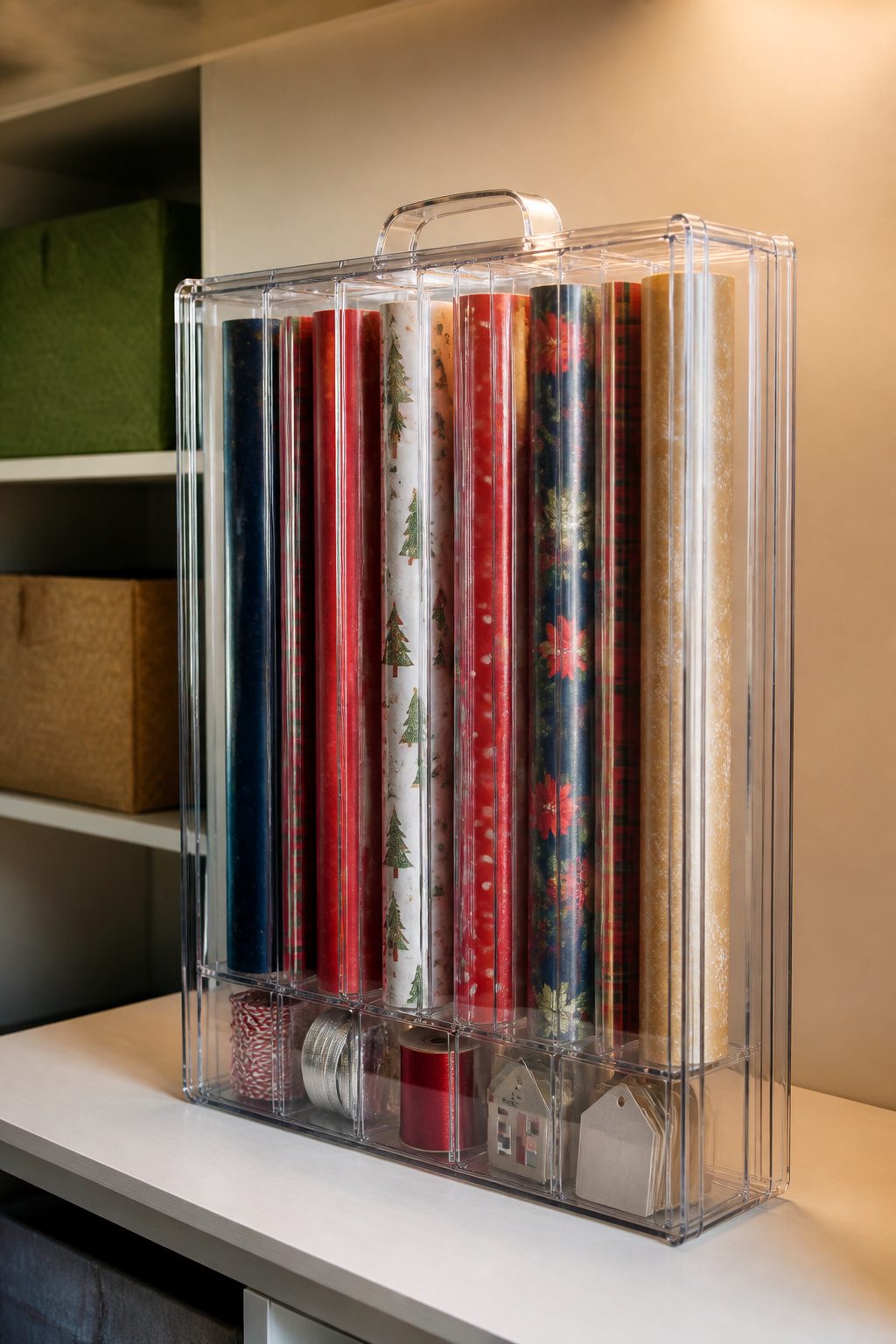
A standard plastic bin crushes the ends of wrapping paper rolls inside of a month. The weight of tape spools and gift bags stacked on top bends the cardboard tubes until the paper wrinkles, and by December the whole collection looks like it was pulled from a recycling pile.
A wrapping paper storage case keeps rolls upright in individual slots, so nothing presses against the sides. The hard shell also stops the top roll from getting dented when the case slides onto a closet shelf or gets stacked with other holiday boxes. Most versions hold between six and twelve rolls plus a small compartment for tape, scissors, and tags, which matters more than it sounds; half the battle of wrapping is finding the tape dispenser.
The specificity is the point. A general bin stores anything. A wrapping paper case protects the one thing that stores poorly any other way, and the protection keeps paper usable for more than one season. That difference in lifespan is what justifies the separate purchase instead of making do with what you already own.
10. Two-Tier Slide Out Sink Shelf
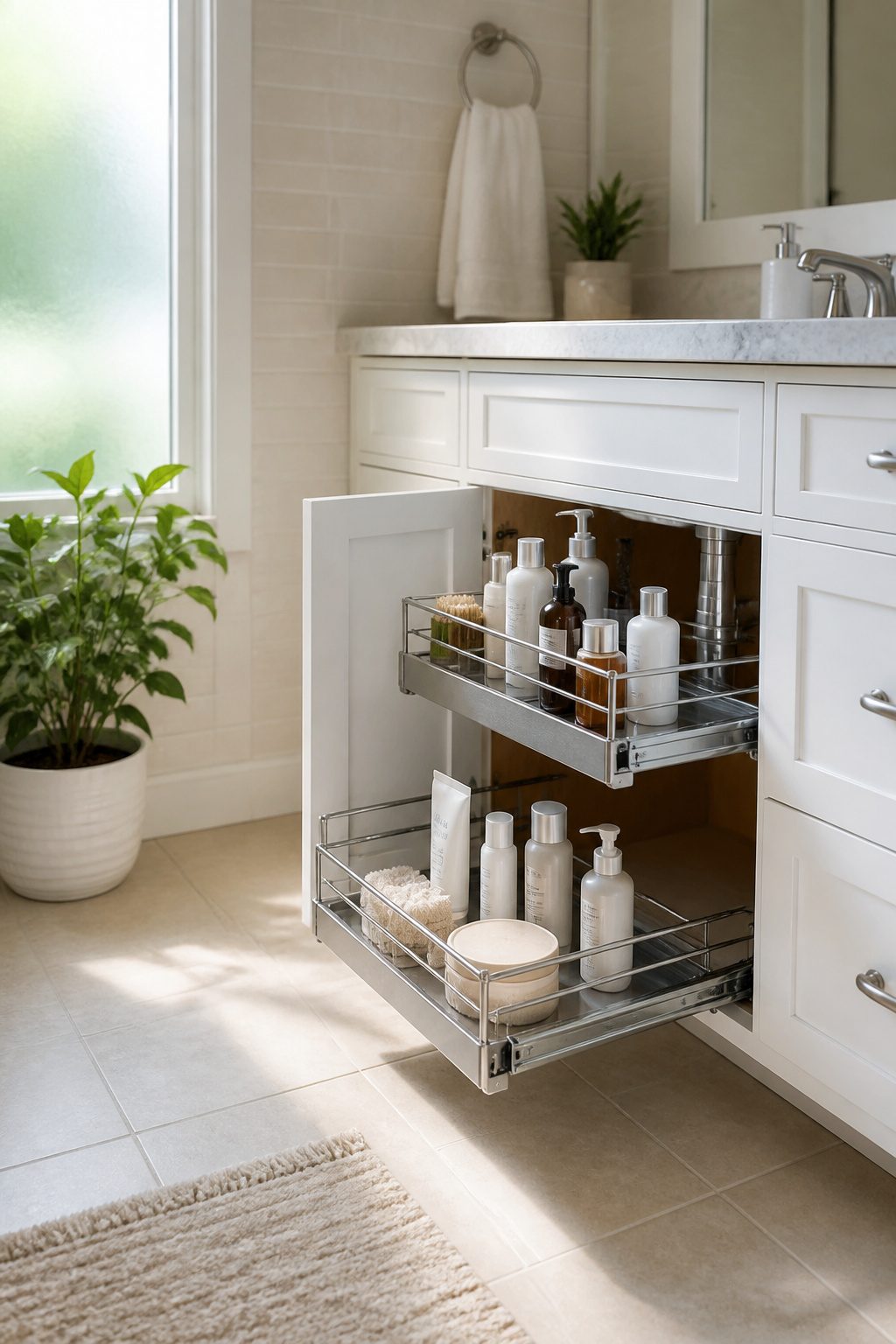
The cabinet under a bathroom sink is mostly vertical space that standard shelves waste. A two-tier slide-out shelf fixes that by stacking storage and pulling it forward so nothing sits in the dark behind the plumbing.
I installed one after months of forgetting what I owned back there. The top tray holds daily bottles at arm’s reach. The bottom tray slides out independently on its own track, which matters because the pipes usually kill the center depth. You get two shallow drawers where most people have one cavern.
The mechanism is simple plastic wheels on metal rails, nothing motorized to fail. Cheap versions wobble once loaded; the one worth buying has a center support bar so the lower tier does not sag when it extends. Measure your cabinet height first, since the stacked design needs enough clearance for both tiers plus the contents. Mine cleared by half an inch.
For renters, this is a no-drill upgrade that lifts out when you leave. The real payoff is stopping the shuffle: every bottle is visible in one motion, and the back of the cabinet quits being a graveyard for trial-size shampoo.
11. Kitchen Drawer Organizer
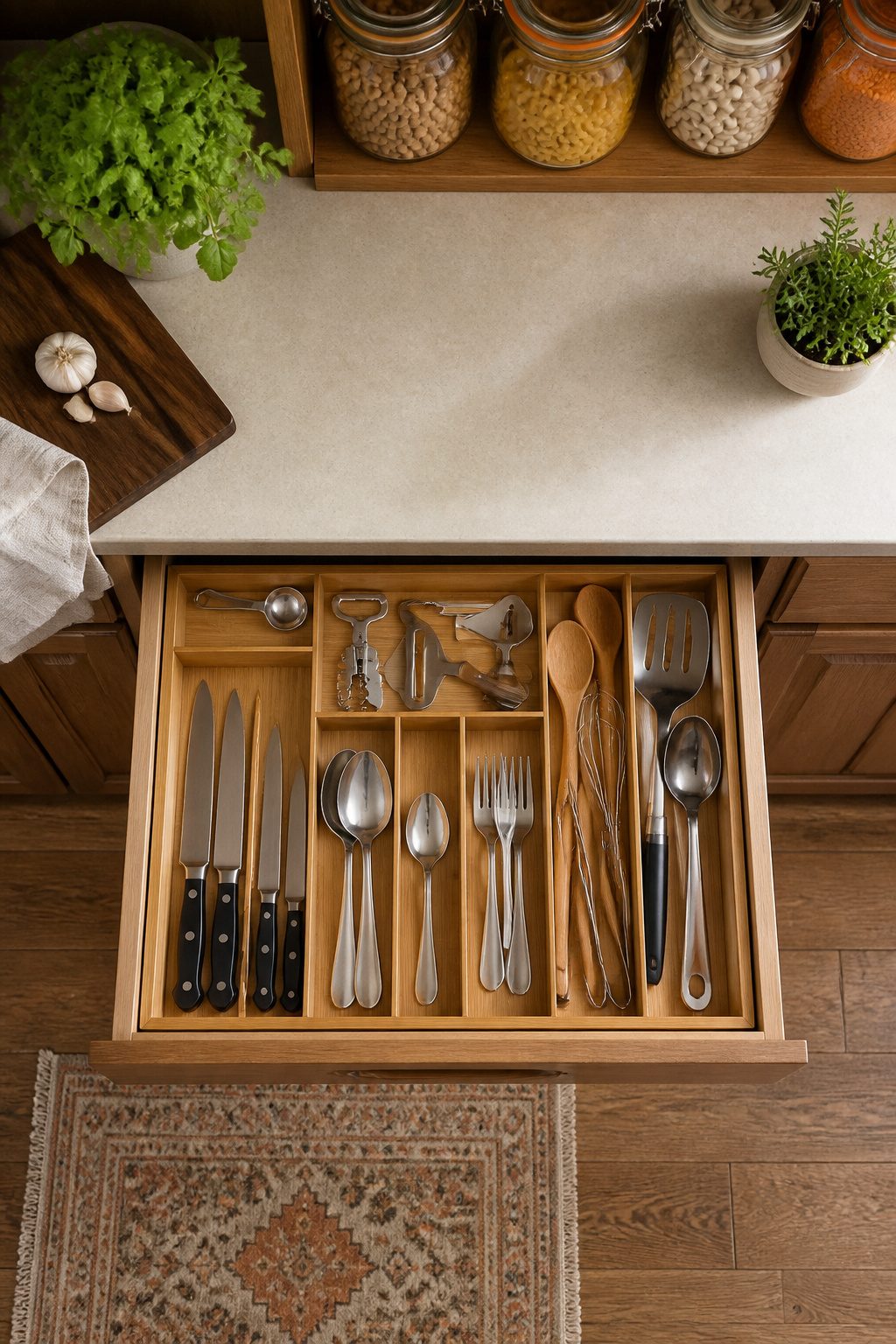
A kitchen drawer organizer works because it forces you to decide what belongs and what does not. The junk drawer stops being a junk drawer the moment every slot has a job.
I started with bamboo trays for utensils, then added a smaller silicone one for gadgets that roll around, the zesters and corn strippers you use twice a year. Compartmentalization is the whole strategy here: instead of decluttering the entire kitchen at once, you carve the drawer into zones and deal with each zone on its own. One evening, one category, done.
The mistake I made was buying a set that fit the drawer exactly edge to edge. Wood expands, slides warp slightly, and within a month the trays jammed. Now I leave a finger-width gap on each side, and they lift out for wiping. Measure the interior, then subtract half an inch before you shop.
12. Glass Storage Jars
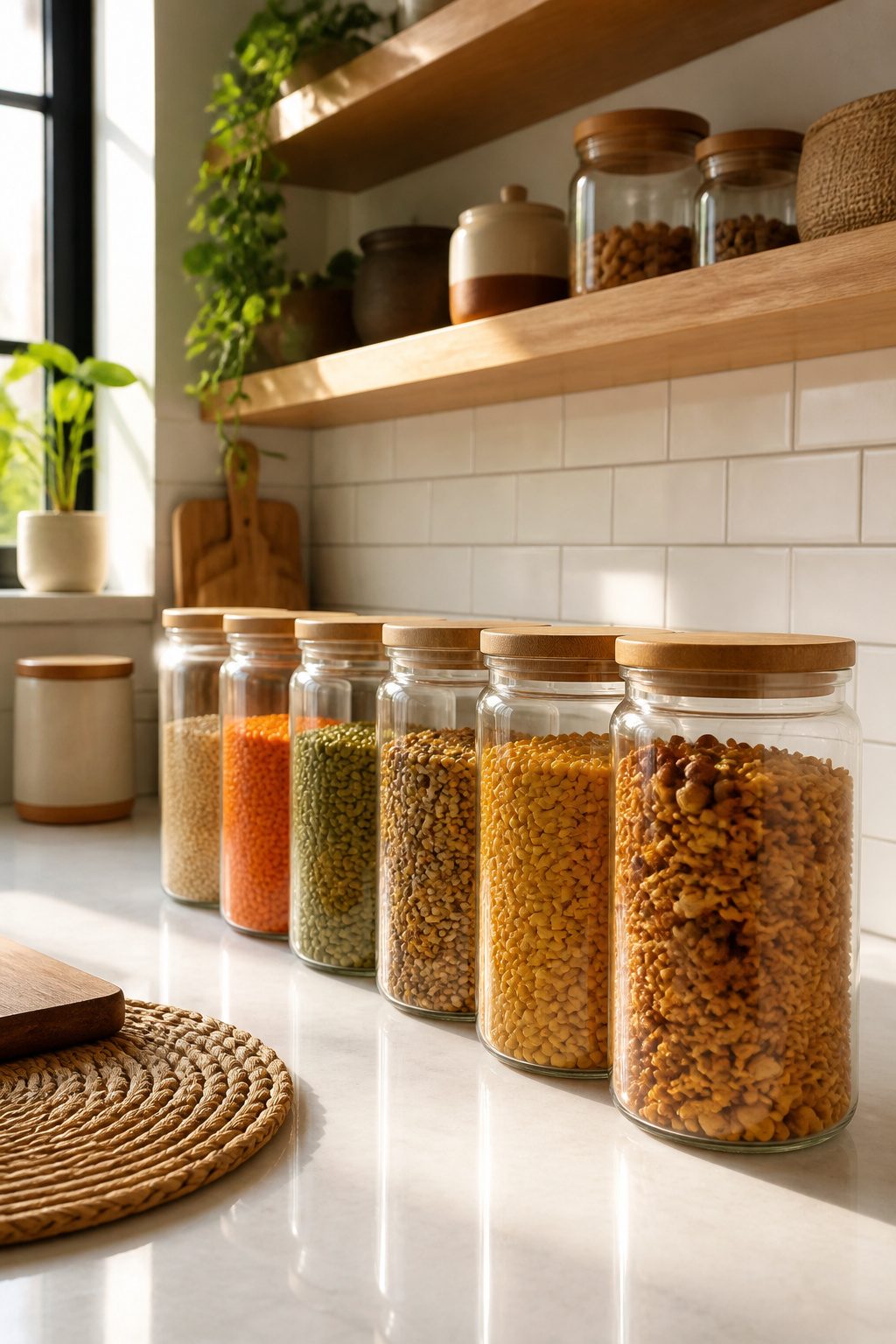
Glass storage jars with airtight lids sit somewhere between pantry workhorse and kitchen decor, and that dual life is exactly why they keep showing up in organization and storage roundups. The seal matters first. A rubber gasket and a clamp or screw lid keeps flour, coffee, and dried beans from going stale or inviting pantry moths, which is the whole point of transferring goods out of their original bags. What pulls people toward glass instead of plastic is the visual quiet of it. You see what you have, how much is left, and the jars themselves read as intentional rather than temporary.
I have moved these between rental pantries and open shelving setups in two kitchens now. In a closed pantry, they stack and standardize the chaos. On a counter, the same jars need more curation; pasta in three different shapes looks messy where uniform items like rice or oats read as calm. The weight is real. A full half-gallon jar of sugar is not something you want dropping from a high shelf, so I keep the big ones at counter height or below.
The breakability is the tradeoff you accept for the look. Dropped from a cabinet, they shatter; plastic bounces. For households with small kids or for high-traffic rental kitchens, that risk shapes where you put them. Airtight seals on glass jars work best for dry goods you access often enough to monitor, not for the bag of specialty flour you touch twice a year.
13. Command Hooks
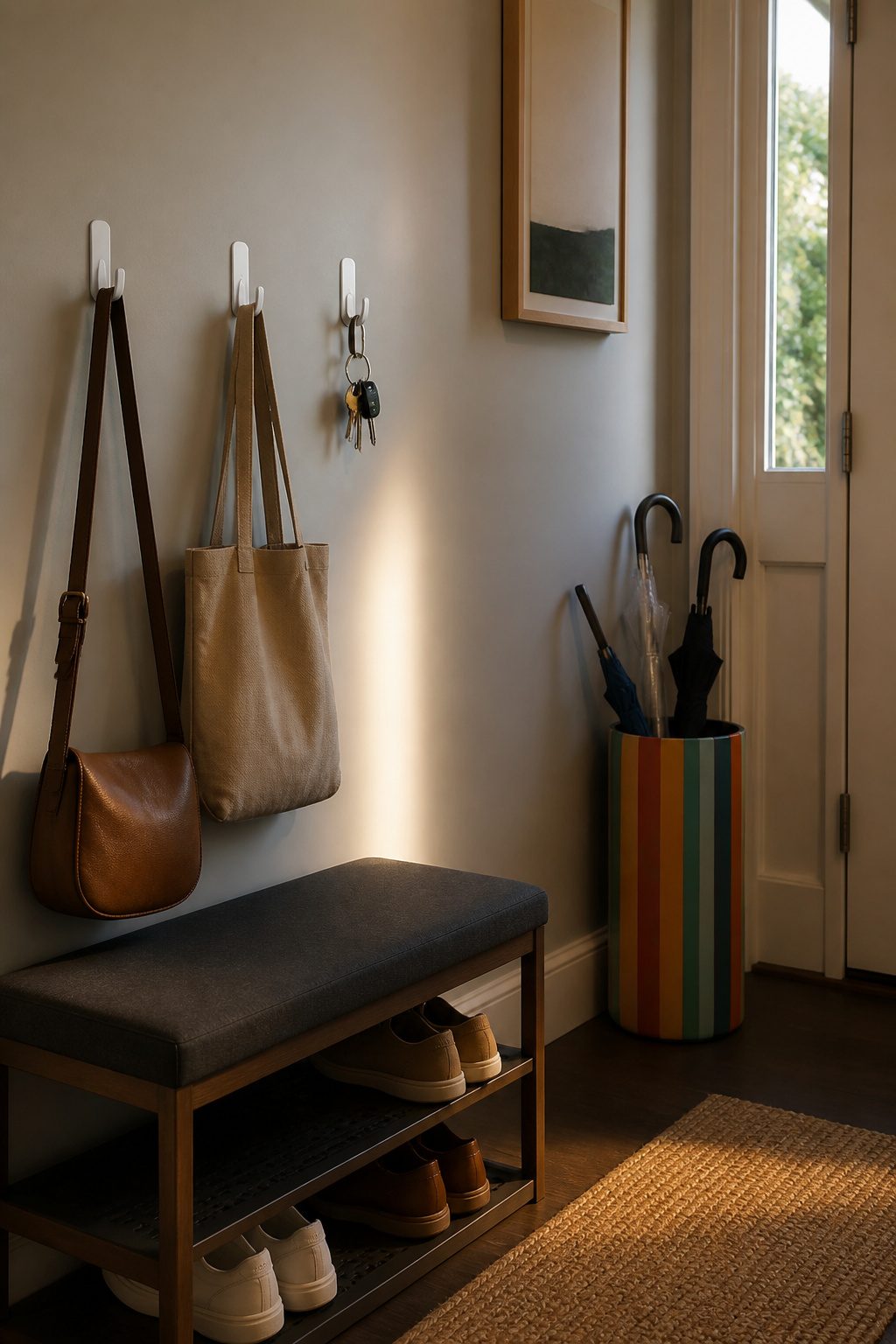
The Command Designer Hooks Medium 6-Pack runs $10 for six hooks, which is about the cheapest insurance a renter can buy against losing a security deposit. Drilled holes in drywall are a landlord’s favorite reason to keep $200, and these strip off clean when the lease ends. I have watched too many friends patch and paint at 11 p.m. the night before a move-out inspection.
Medium is the size that actually holds daily gear: a tote bag, a leash, a damp towel. The strip grips smooth paint or the back of a hollow-core closet door, and the hook releases from the adhesive tab without the pliers-and-spackle routine. Six in a pack means you can line the inside of an entry closet for coats, stick one behind the bathroom door for a robe, and still have spares for the kitchen apron. The $10 price holds at both Amazon and Staples last I checked, so shipping speed versus running an errand is the only real choice.
14. Vacuum Storage Bags
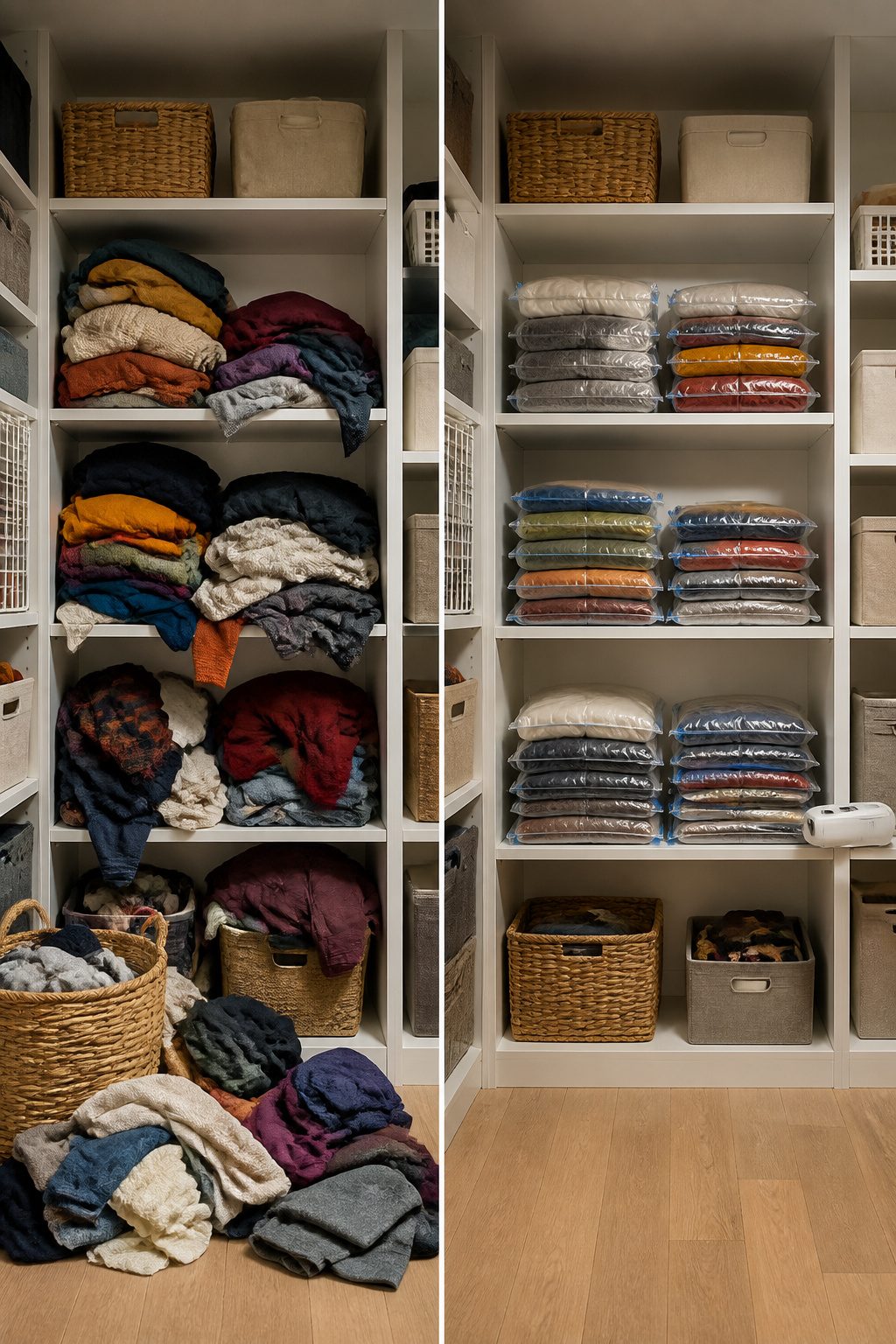
$23 for the Spacesaver Vacuum Storage Bag Variety 8-Pack is the price that actually made me pause while looking into off-season clothing storage. Most vacuum bag sets either force you into one size or cost twice as much for the same cubic footage.
The Variety 8-Pack spreads across enough dimensions that you are not stuffing winter coats into a bag meant for t-shirts. A couple of mentions I came across specifically flag this set for seasonal compression, which surprised me given how little broader coverage Spacesaver gets compared to the brands that dominate shelf space at big-box stores.
The catch is the vacuum itself. These need a hose attachment or a handheld vacuum with enough suction to pull the valve flat, and not every renter keeps one on hand. A friend of mine borrowed her landlord’s shop vac for the same job last fall, which worked fine until she realized the bags had to stay sealed for six months. If your storage spot runs humid, that seal is doing more work than the fabric itself.
I would skip these for anything you reach for monthly. The compression wrinkles deep-set into down or wool can take a full wash cycle to relax, and that defeats the point of storing it clean. For the sweater box you rotate once a year, though, the space reclaimed on a closet shelf pays back the $23 inside a single weekend.
Closet Organization
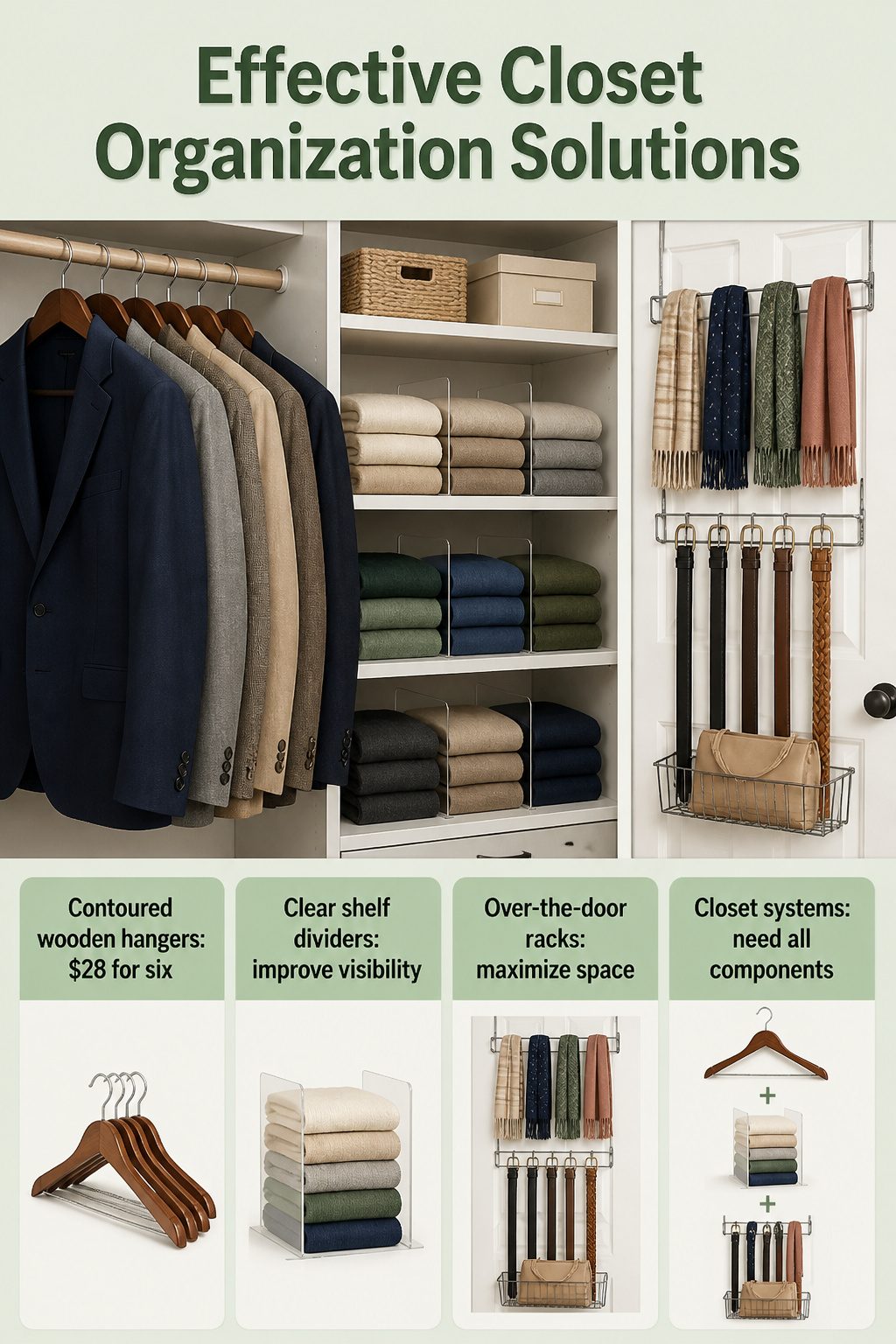
Closet organization lives or dies on three things: seeing what you own, reaching it without a fight, and not stretching the shoulders out of your favorite blazer. Non-slip hangers handle the last part. The wide, contoured wood ones run about $28 for six and keep tailored jackets from drooping at the corners the way wire does. Clear shelf dividers handle the visibility piece. They turn a stacked sweater pile into columns you can scan in a glance instead of an archaeological dig. Over-the-door racks add accessibility for the stuff that does not earn hanger space: scarves, belts, the single-use bag you will actually return.
The Strategist once sorted every storage upgrade they had covered by room so you could shop the itch instead of drowning in it:
from space-saving hangers for everything in your closet to a plethora of containers to tame your bathroom clutter
That room-by-room approach matters because closet systems fail when you buy one piece and hope it carries the whole load. The hangers preserve shape, the dividers create visibility, and the door rack buys back dead space. Skip any leg and you are back to the morning hunt.
Bathroom Storage
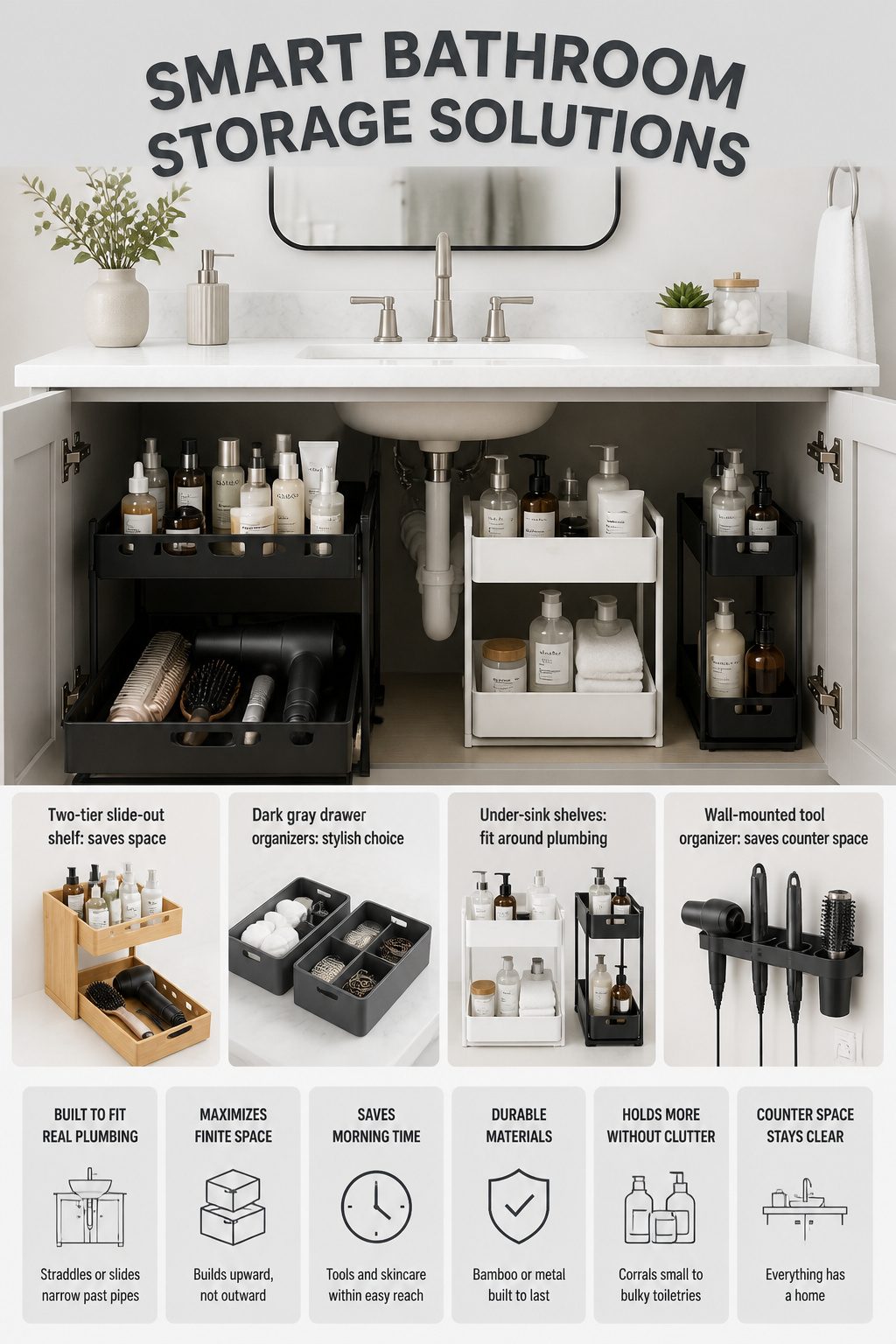
Bathroom counters shrink to nothing the moment two people share a sink. A two-tier slide-out shelf buys back the real estate by building upward: skincare sits on top, daily tools pull out from below, and the whole footprint stays the same. I looked at the bamboo and the black metal versions side by side, and the choice comes down to what lives under your sink. Plumbing dead center kills most standard organizers; these shelves straddle the pipes or slide narrow past them.
Drawer organizers run to clear plastic by default, but the dark gray boxes turned my head. Same function, less clinical. They corral small toiletries, cotton rounds, hair ties, the things that otherwise colonize every flat surface by Wednesday.
Under the sink, the wider white shelf holds more bulk, the slender black one slips into tighter cabinet boxes. Both beat stacking hot tools in a heap that melts a brush handle every six months. The wall-mounted hair tool organizer fixes that last problem if you have six inches of wall near an outlet; otherwise the slide-out shelf is the one upgrade that pays for itself in saved morning time.
Kitchen Organization
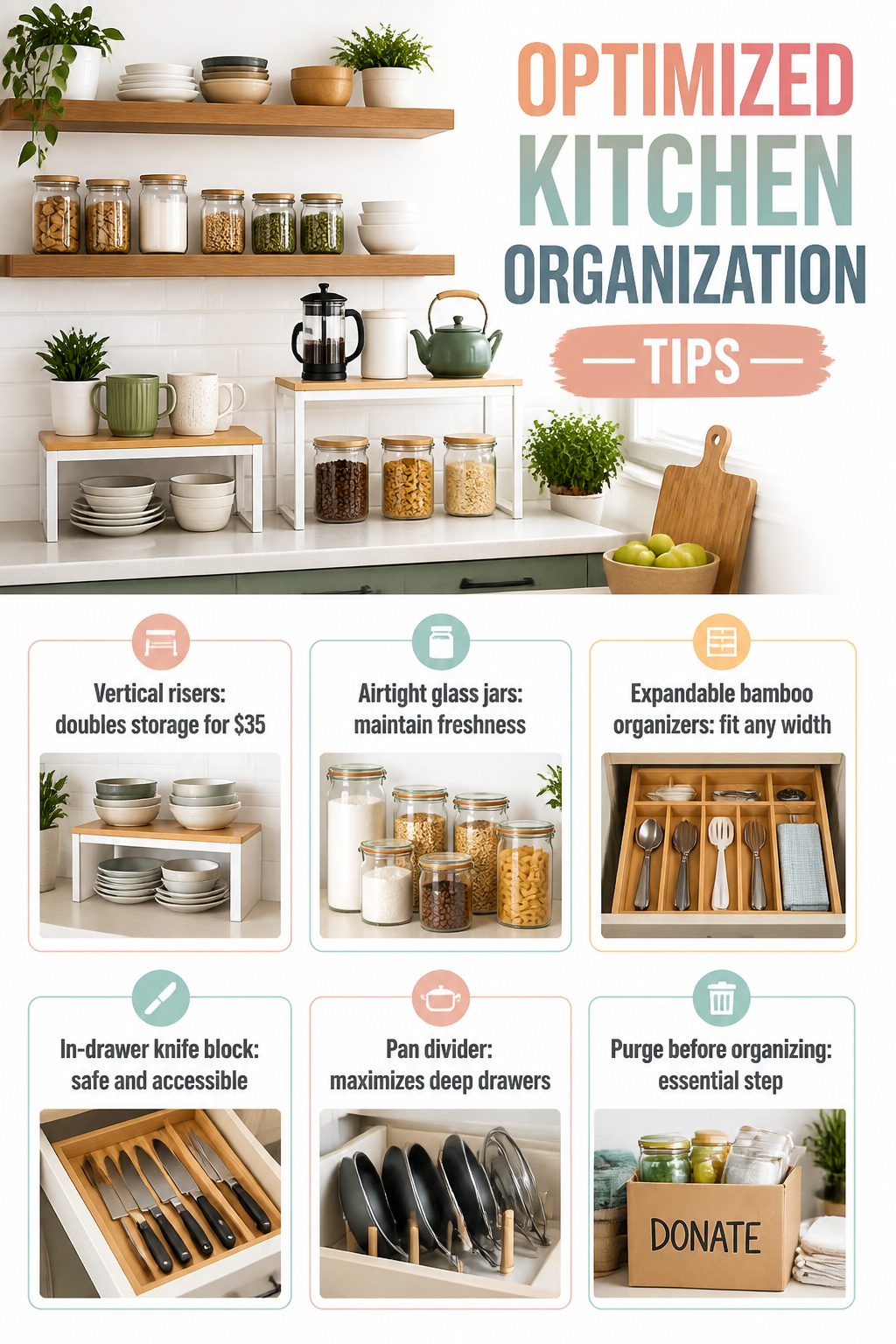
The kitchen is where most renters and first-home owners feel the storage pinch first, and the fix is usually not more square footage but better use of what is already there. Vertical space, through risers, doubles cabinet or counter storage for under $35 in the simple white-and-wood models that sit on a single shelf and create a second one above it. I have read enough project roundups to know that this principle matters more than the specific riser; even a two-tier countertop rack from a brand like Yamazaki applies the same logic with a cleaner look, and the choice between them is whether your priority is cost or a more intentional design presence.
Glass jars with airtight lids, particularly the Weck style that comes in many sizes, serve the same broader strategy of removing visual clutter. Decanting dry goods into uniform containers collapses the busy packaging of a dozen different brands into one calm surface, whether that surface is a countertop or the back of a cabinet. The aspirational version shows these as open pantry decor; the practical version keeps them behind a door and still gains the space efficiency and the seal that keeps flour or coffee fresh.
Drawer organizers finish the job where risers and jars cannot reach. Expandable bamboo sets adapt to odd widths, and the in-drawer knife block or heavy-duty pan divider addresses the deeper drawers that swallow utensils whole. What convinced me, reading through these setups, is that the organizers work only after the purge: the riser gives you a second shelf, but you still have to decide what earns that shelf, and the jar gives you a clean line, but only if you commit to decanting what you actually use.
Small Space Solutions
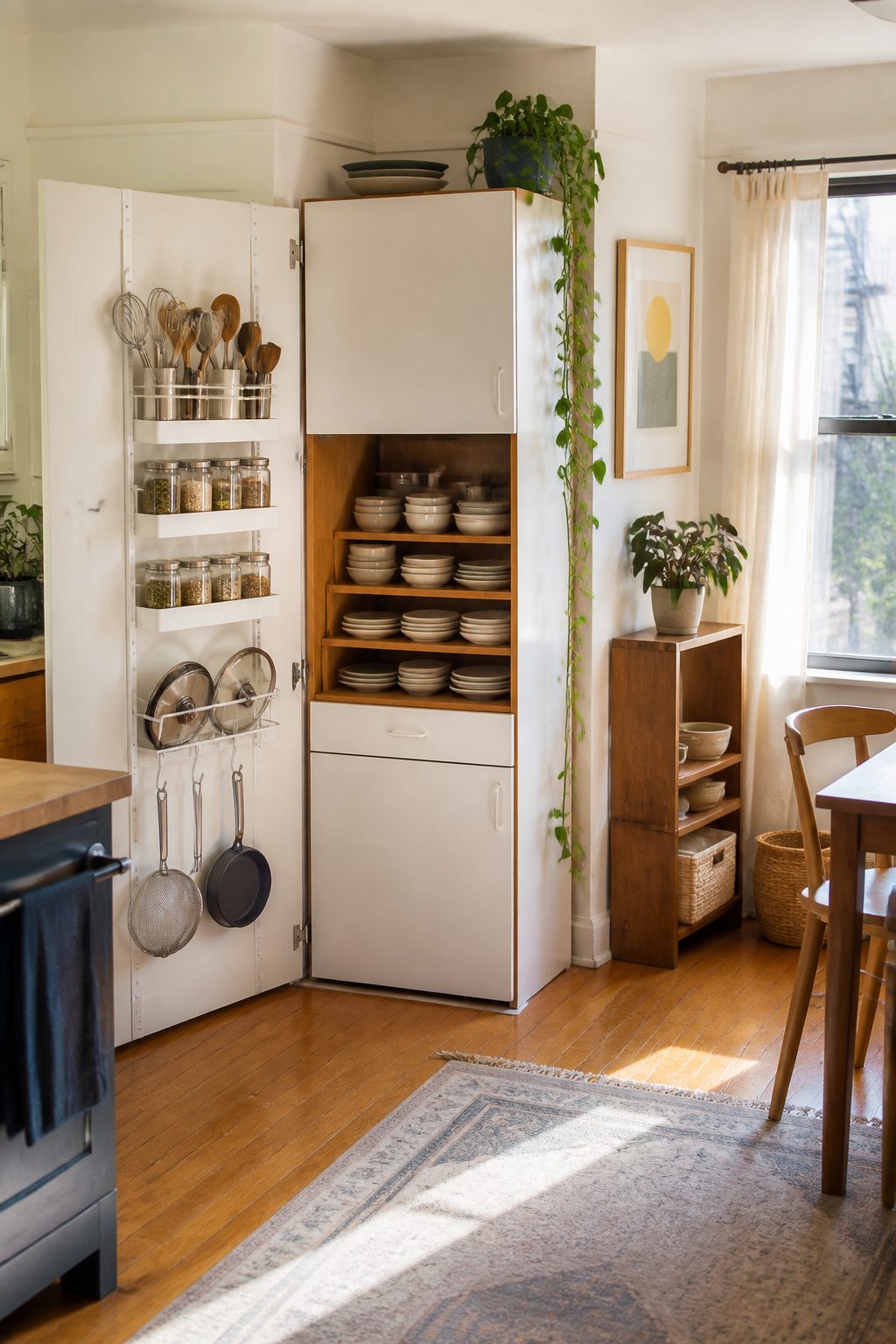
Vertical space is where small rooms hide their real square footage. Risers inside cabinets create a second shelf where only one existed before, and the white-and-wood ones Emily Henderson’s team found run under $35 while doubling what a cabinet can hold. I started using these after realizing my own plates were stacking in a way that blocked half the shelf from view.
Over-door organizers work the same trick on empty air. The one shown for small-space kitchens hangs without drilling, which matters when your security deposit is on the line. Between the door and the risers, you’ve reclaimed surfaces without adding a single piece of furniture.
Under-bed storage handles what neither of those can reach. The wooden drawers from Article sit low enough for most frames, and if that price stings, bamboo versions with zippered fabric covers cost less while still keeping dust out. I almost bought plastic bins last year until I saw how the fabric ones flatten when empty, which matters in a studio where storage itself needs somewhere to go.
The vacuum bags mentioned elsewhere compress off-season bedding into something that slides under there too, though in practice I find them better for comforters than for anything I’d need before morning.
Frequently Asked Questions
What are the best storage solutions for small spaces?
Vertical space is where small rooms hide extra capacity. Risers that create a second shelf level, under-bed containers with wheels for easy retrieval, and over-the-door racks all add storage without claiming floor area. Under-bed storage works best when you measure the gap between your frame and floor first, since standard containers need about six inches of clearance.
How do I organize my closet effectively?
Effective closet organization needs three pieces working together. Non-slip velvet hangers pack about a third more garments onto the rod while keeping shoulders from drooping. Clear shelf dividers turn stacked piles into upright columns that stay sorted. Over-the-door racks reclaim the dead space behind the door for coats, bags, or tomorrow’s outfit.
What are some good bathroom storage ideas?
A two-tier slide-out shelf under the sink builds upward instead of outward, with an independent lower tray that pulls past the plumbing. Drawer organizers in dark gray or clear plastic corral small items like cotton rounds and hair ties that otherwise colonize every flat surface. For hot tools, a wall-mounted organizer near an outlet beats stacking them in a heap that melts brush handles.